
Where’s the
lahma?
Authentic Egyptian home cooking,
told through storytelling, yelling,
and bold, unapologetic flavor.
You have to try this Egyptian food...
Featured Recipe
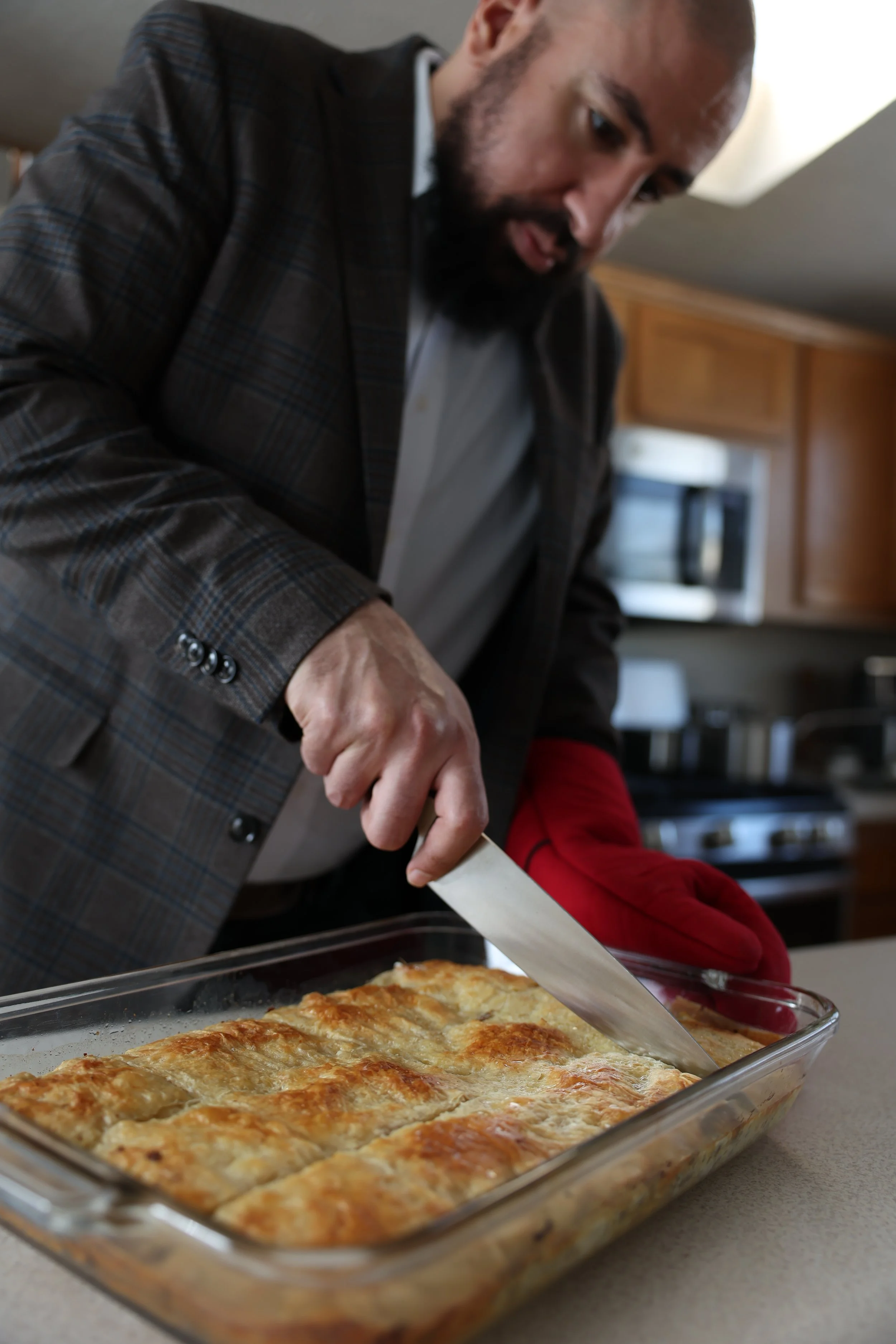
EGYPTIAN GOULASH
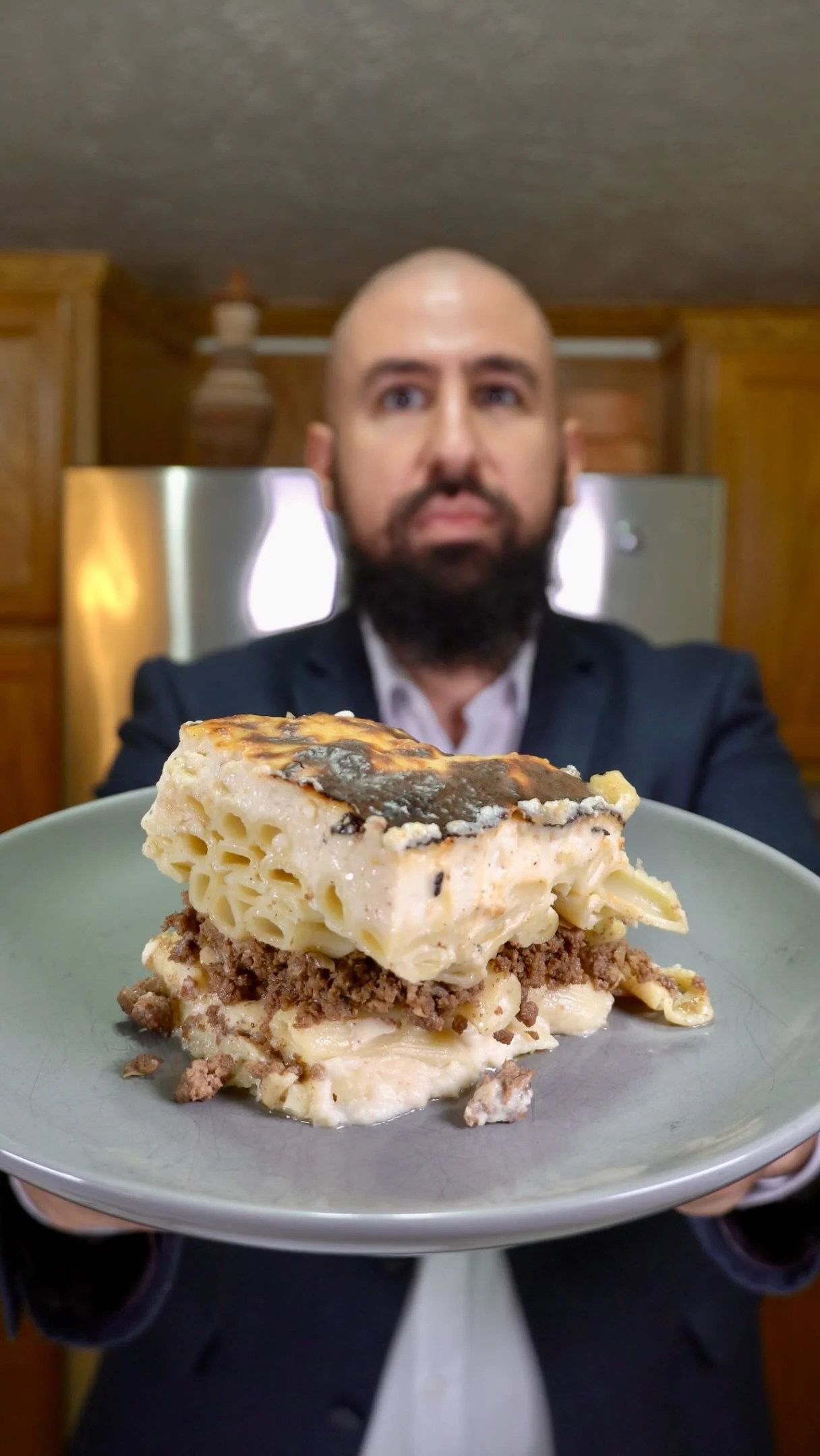
Egyptian goulash is a crispy and savory phyllo meat pie. It is The Egyptian Cook’s signature dish and it was his first viral recipe with 2.8M views on Instagram and 2.1M views on TikTok.
With its buttery golden layers and flavorful seasoned beef filling, this dish is a staple at gatherings and special occasions across Egypt. Every bite delivers the perfect balance of crunch, warmth, and comforting homemade flavor.
Official Merch
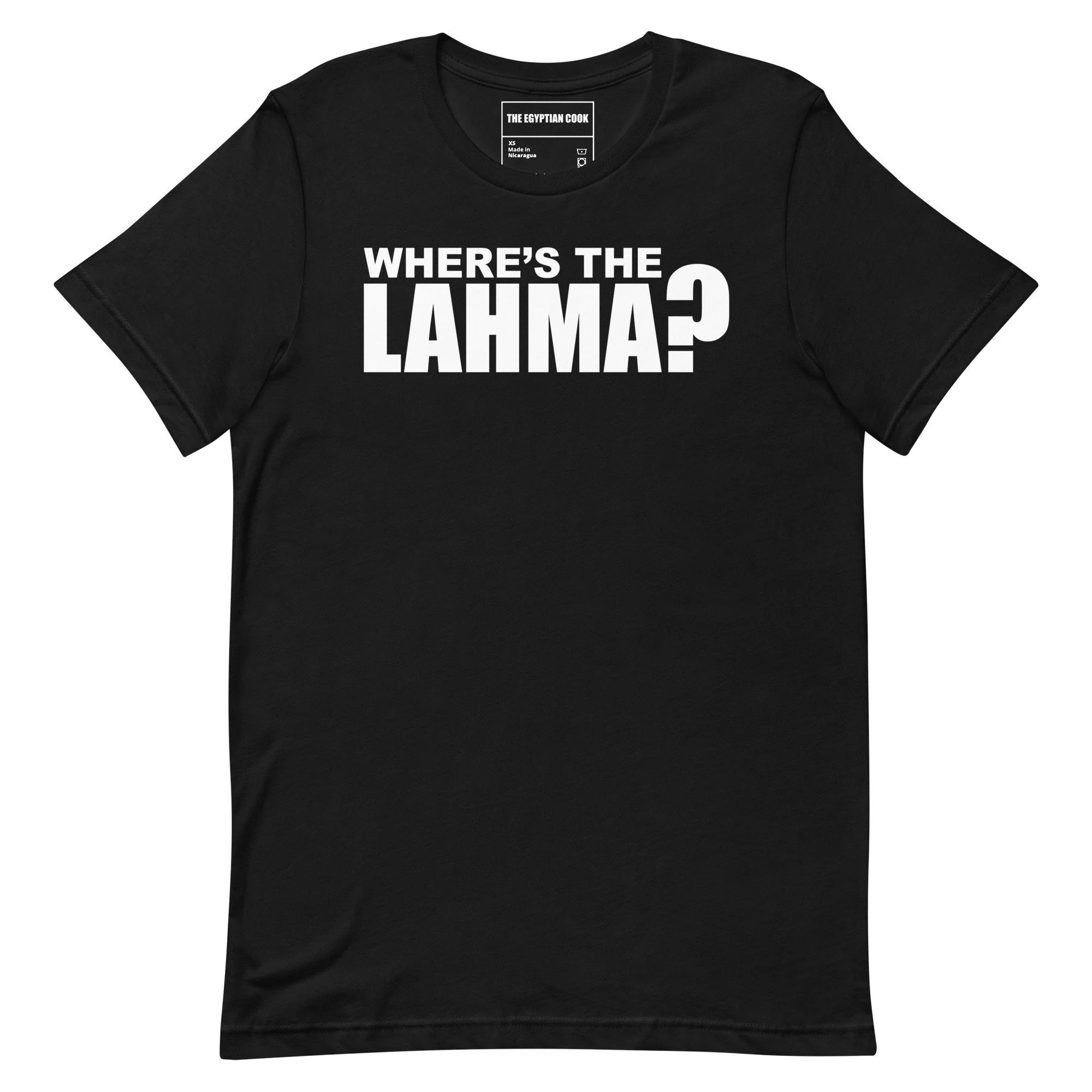
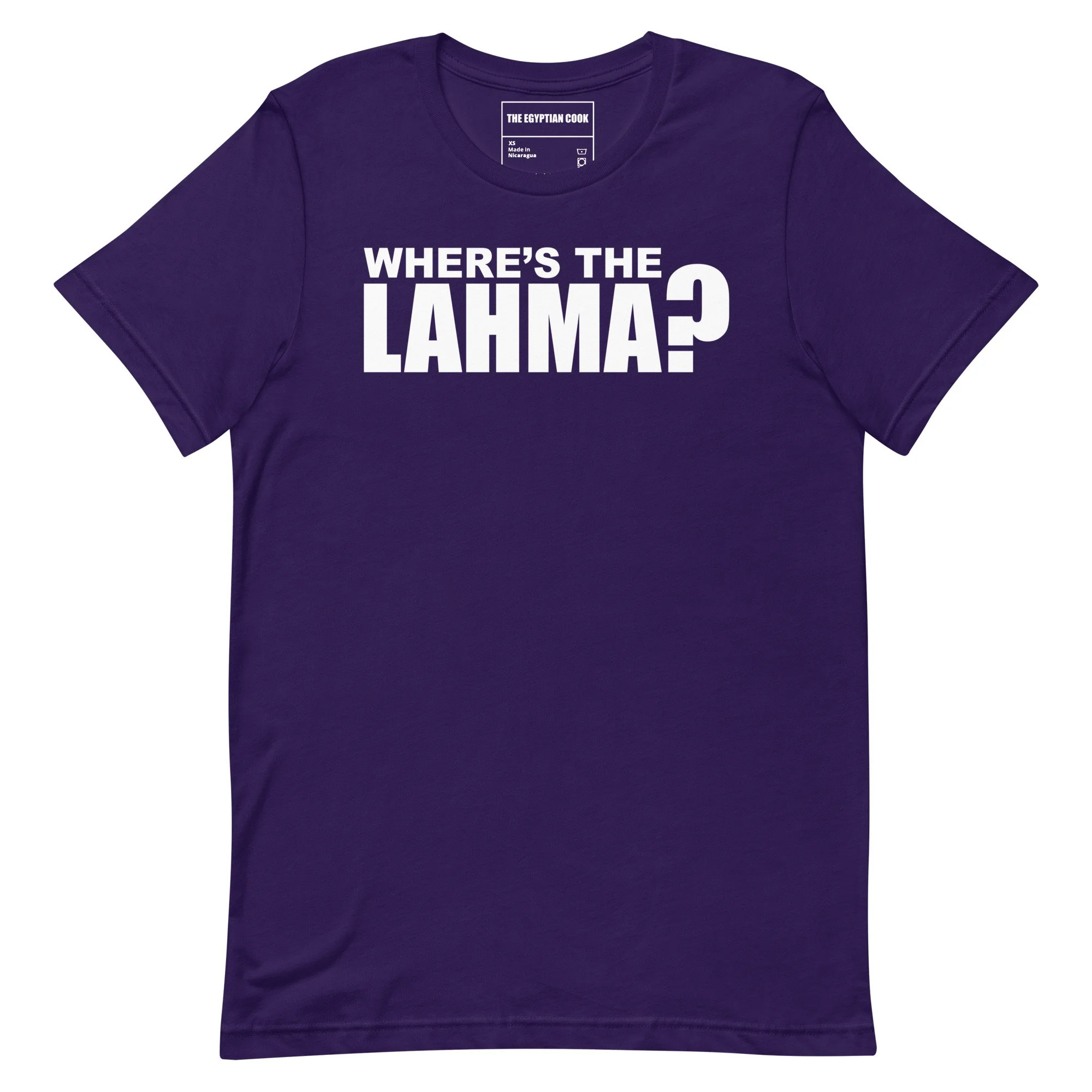
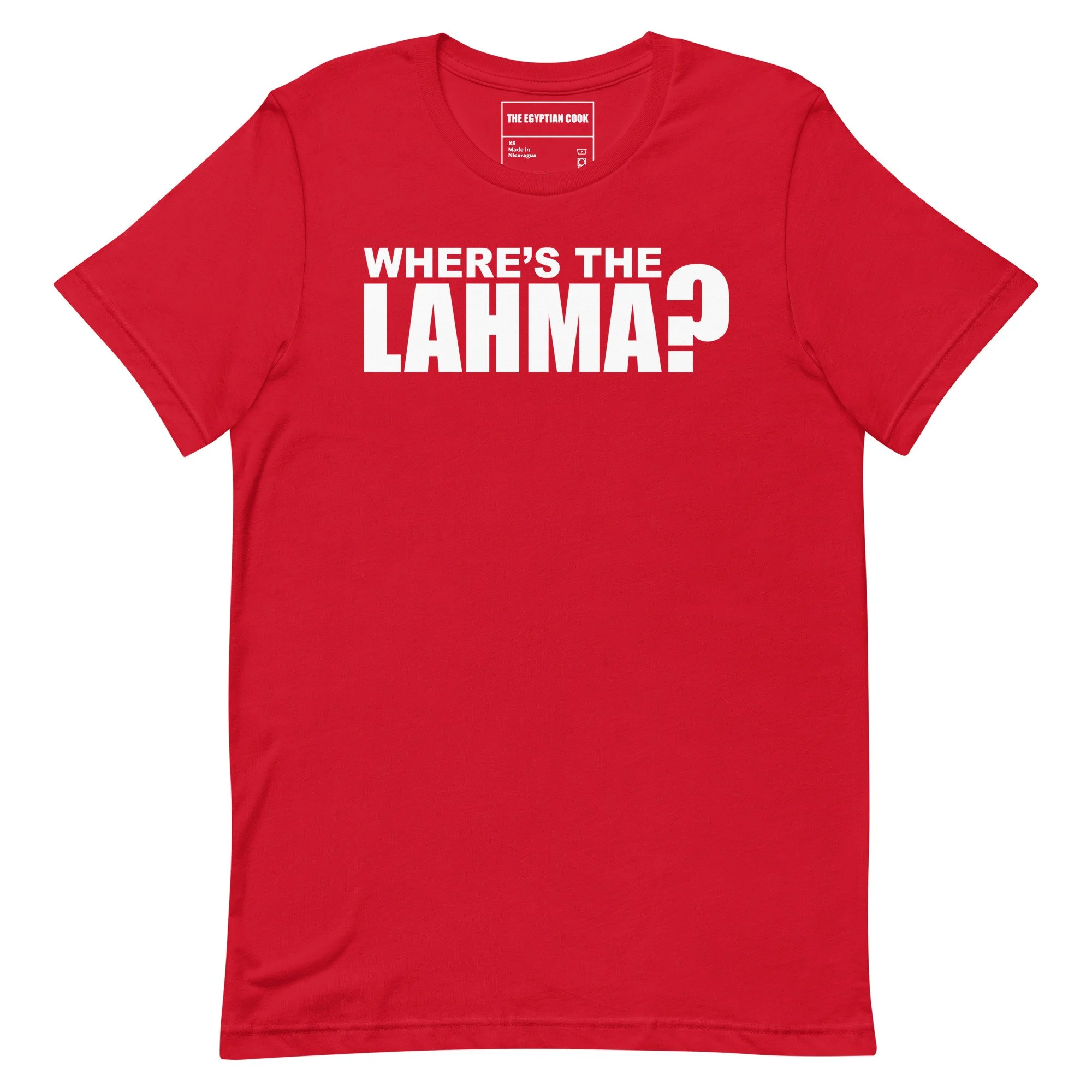
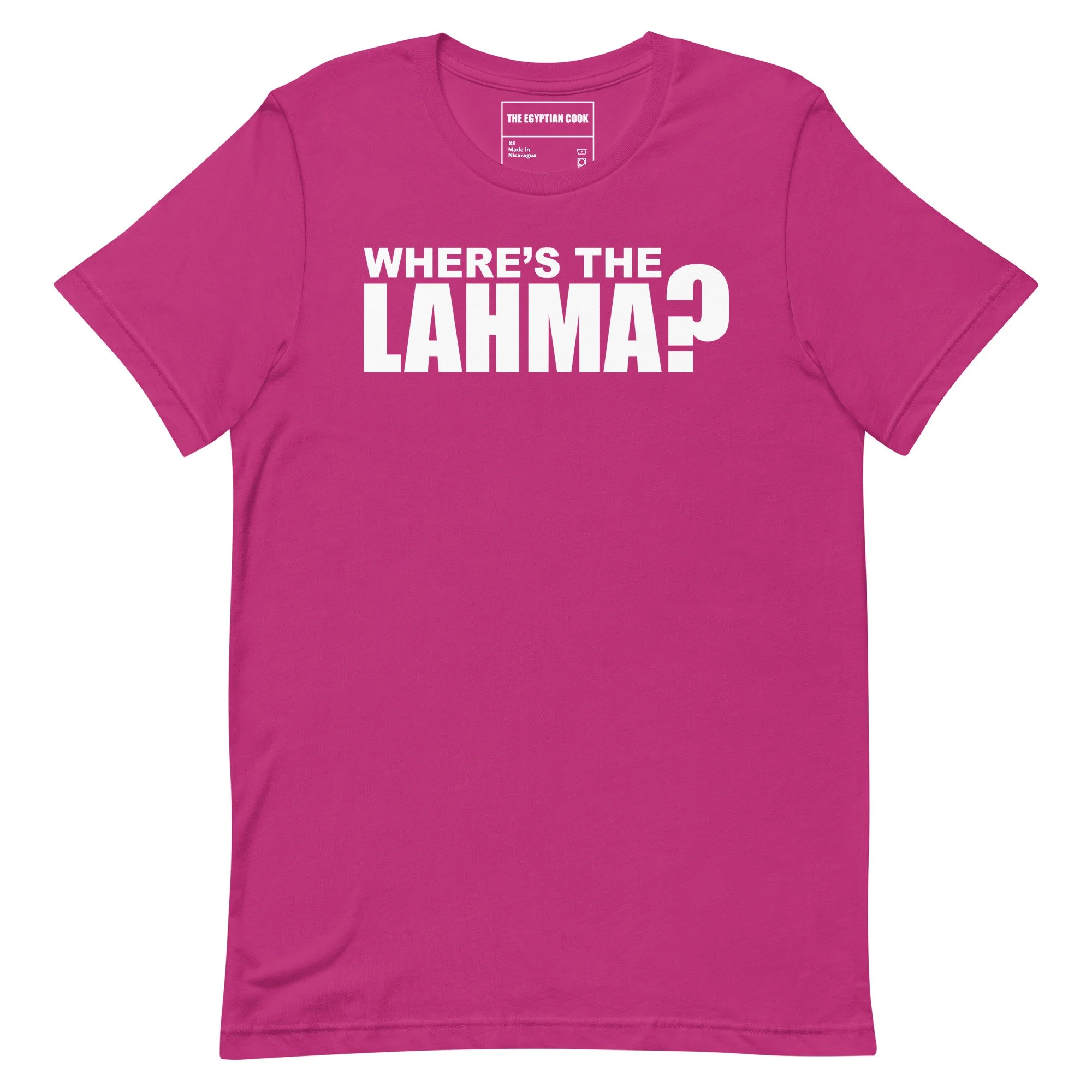
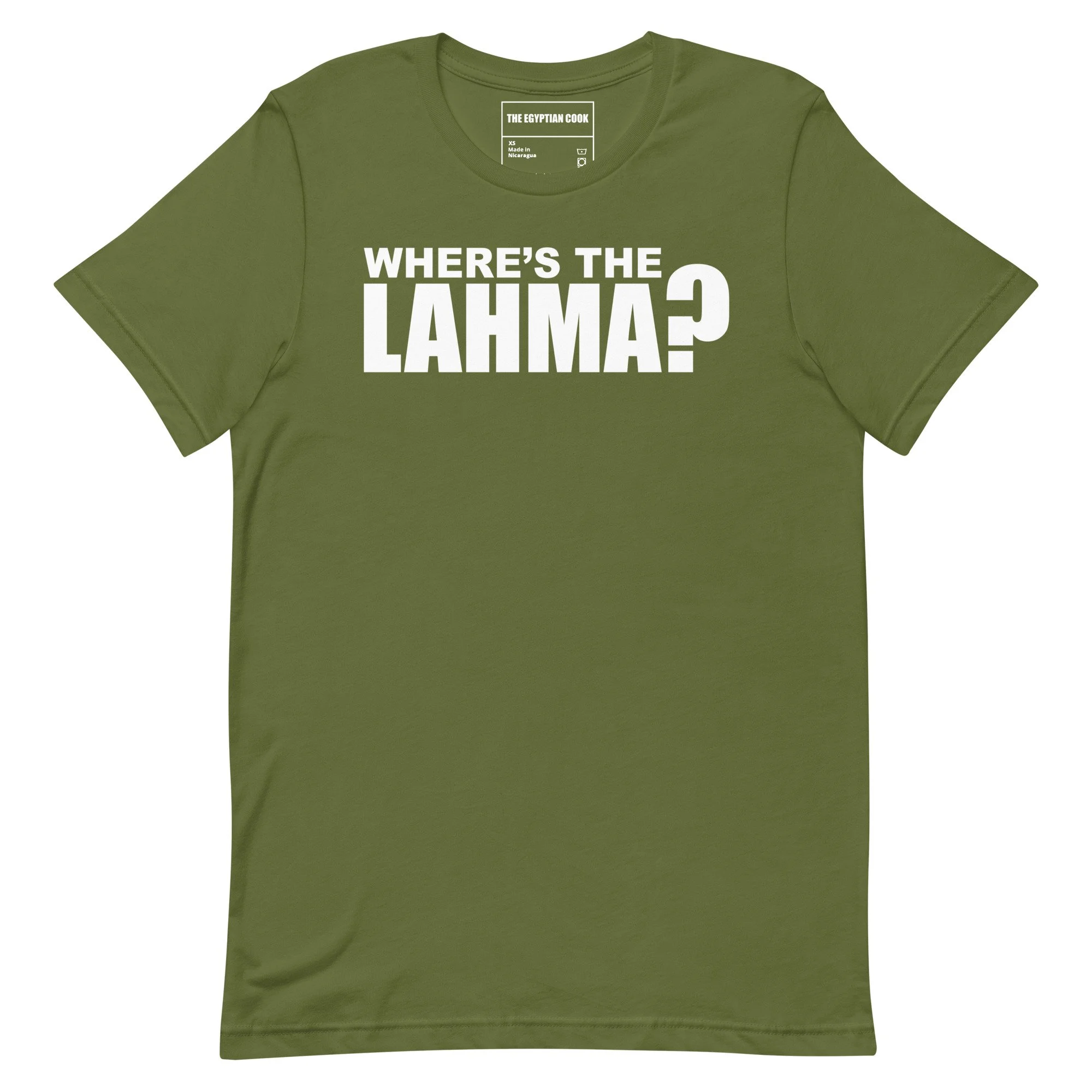
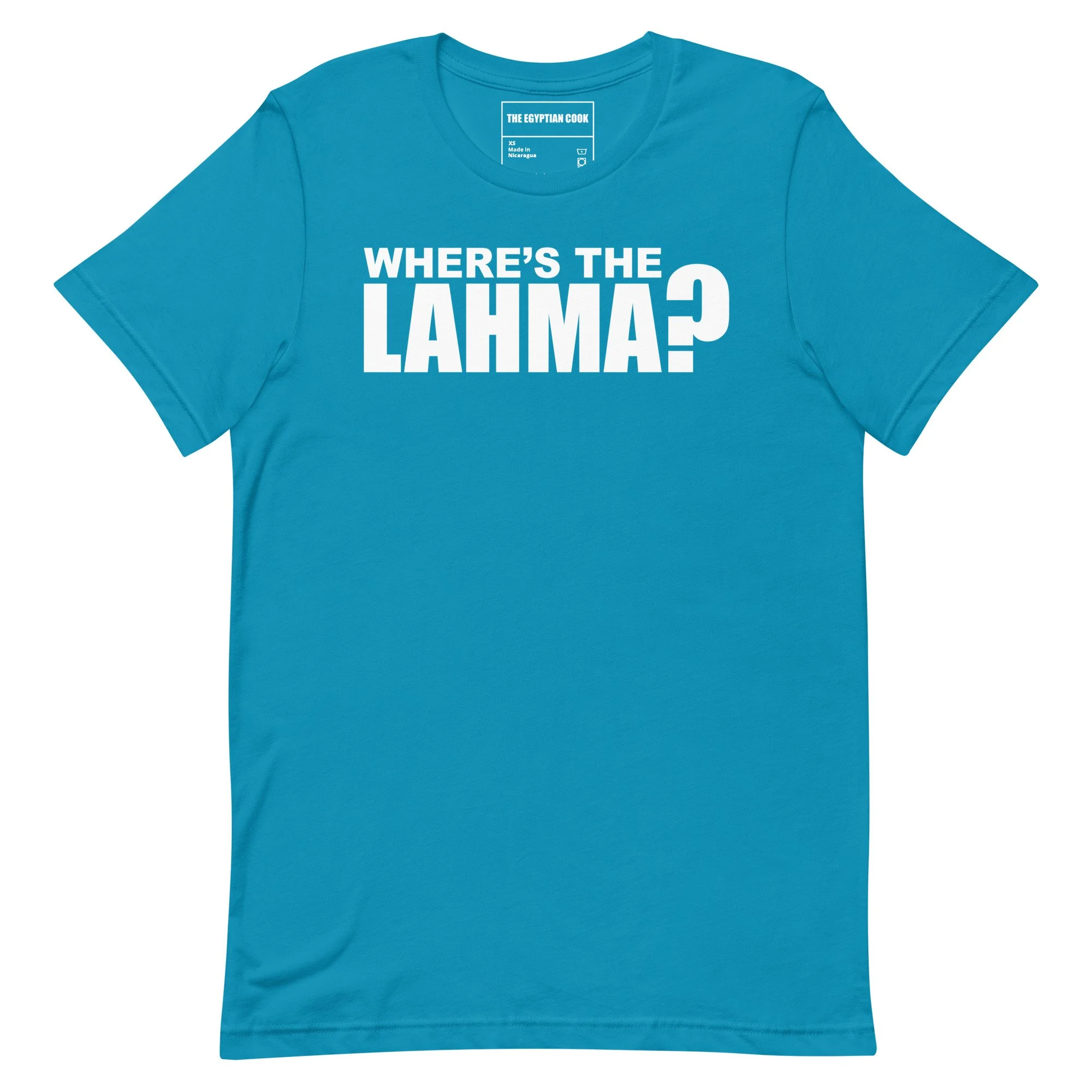

Details
• 100% combed and ring-spun cotton
• Fabric weight: 4.2 oz./yd.² (142 g/m²)
• Pre-shrunk fabric
• Side-seamed construction
• Shoulder-to-shoulder taping
• Blank product sourced from Nicaragua, Mexico, Honduras, or the US
Disclaimer
The fabric is slightly sheer and may appear see-through, especially in lighter colors or under certain lighting conditions.
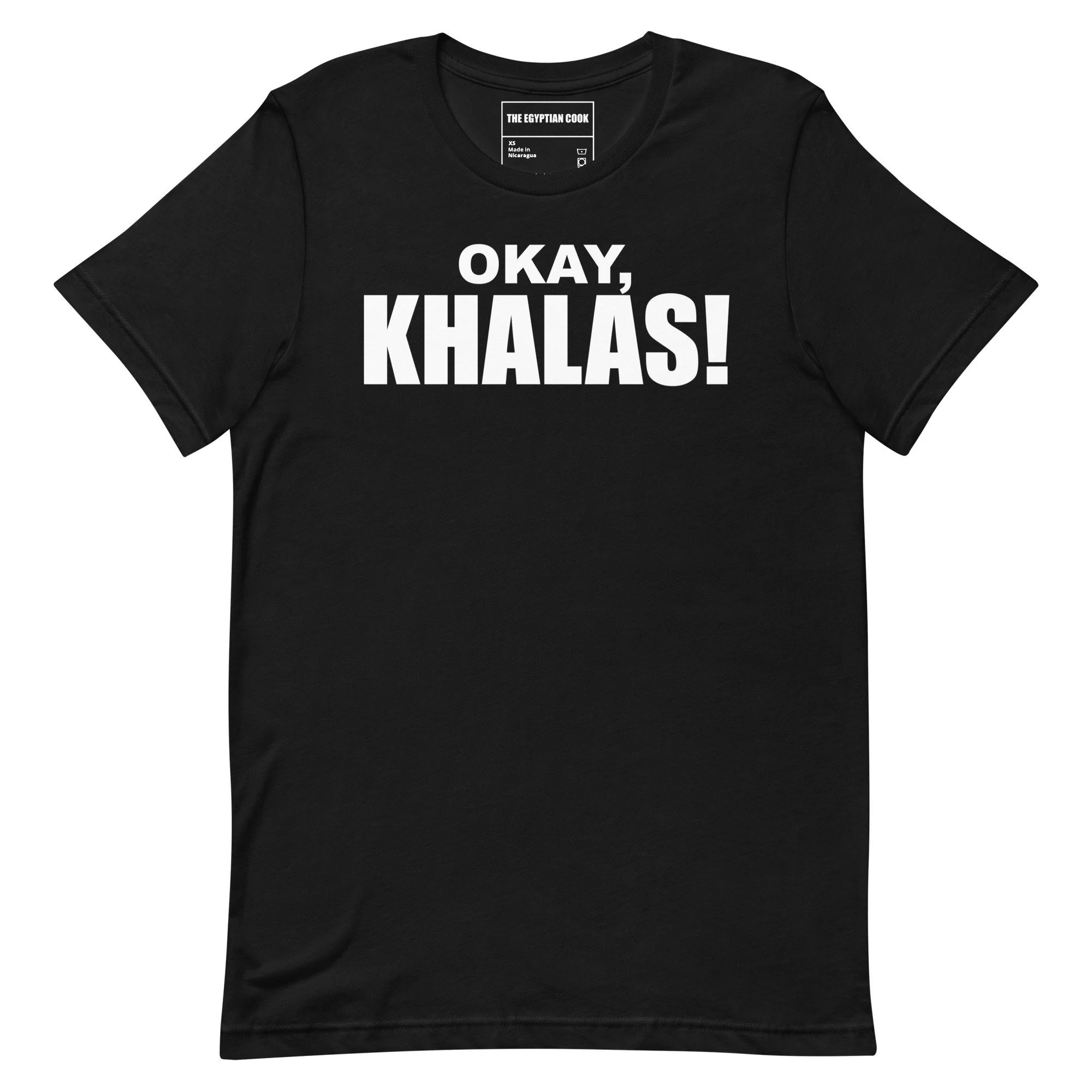
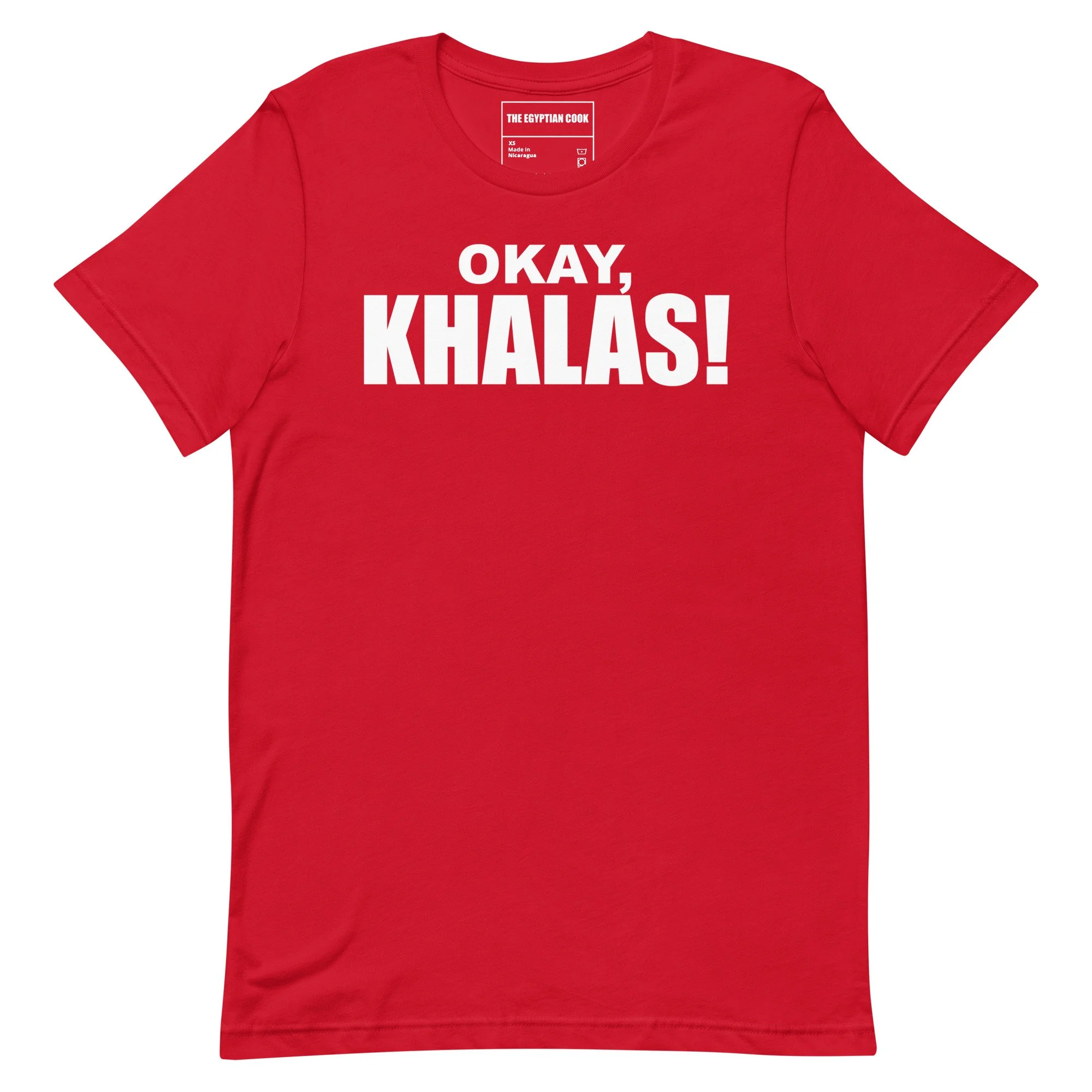
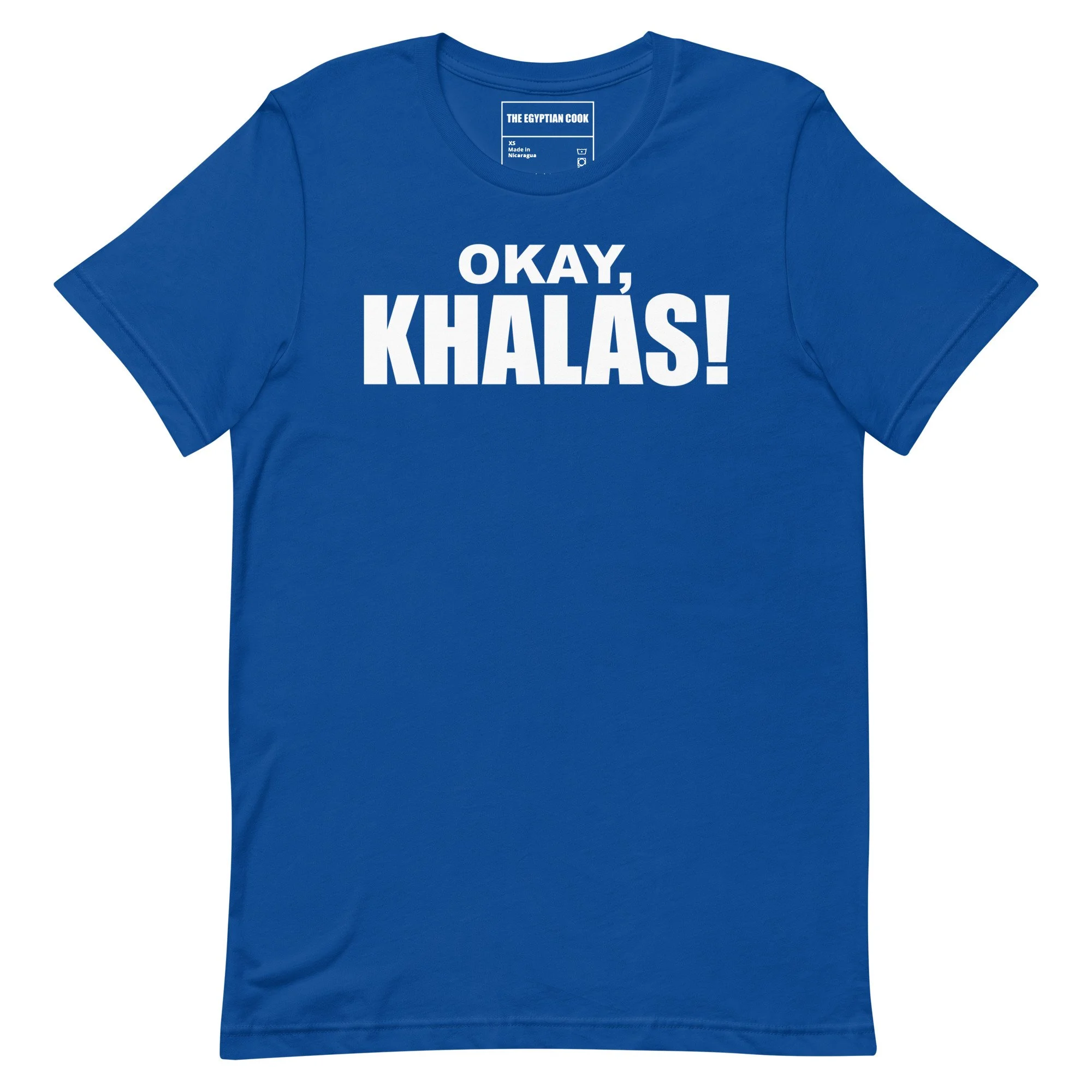
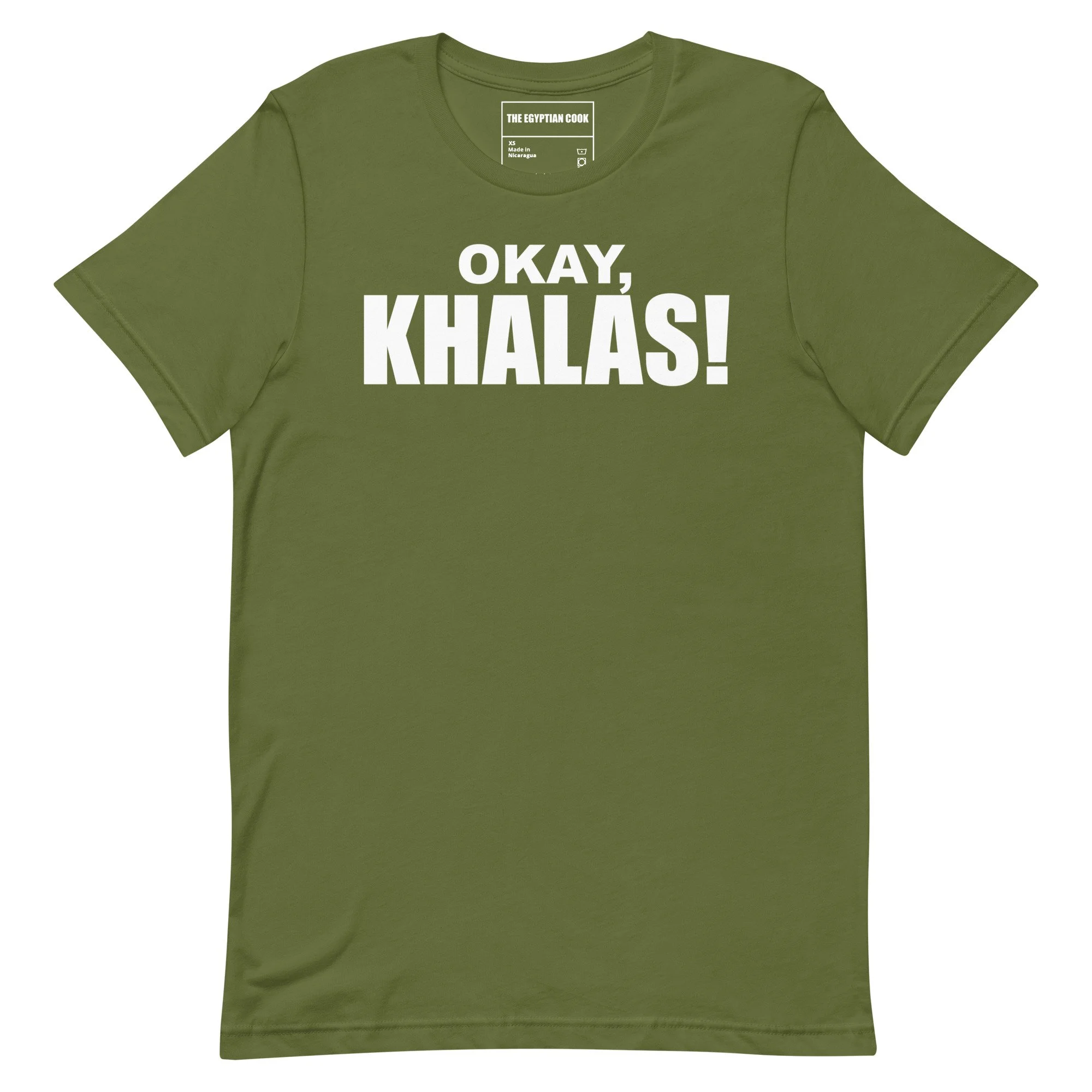
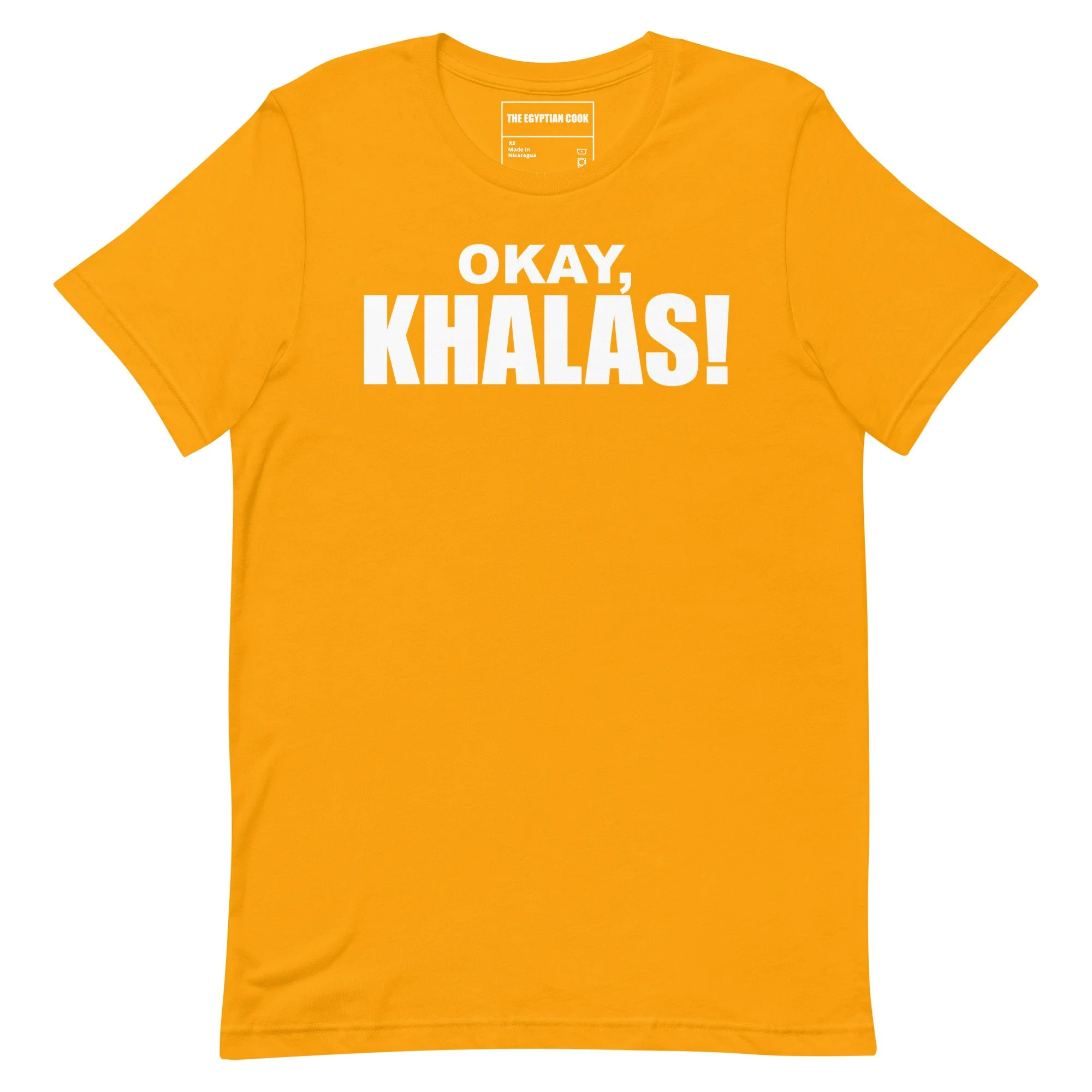
Details
• 100% combed and ring-spun cotton
• Fabric weight: 4.2 oz./yd.² (142 g/m²)
• Pre-shrunk fabric
• Side-seamed construction
• Shoulder-to-shoulder taping
• Blank product sourced from Nicaragua, Mexico, Honduras, or the US
Disclaimer
The fabric is slightly sheer and may appear see-through, especially in lighter colors or under certain lighting conditions.
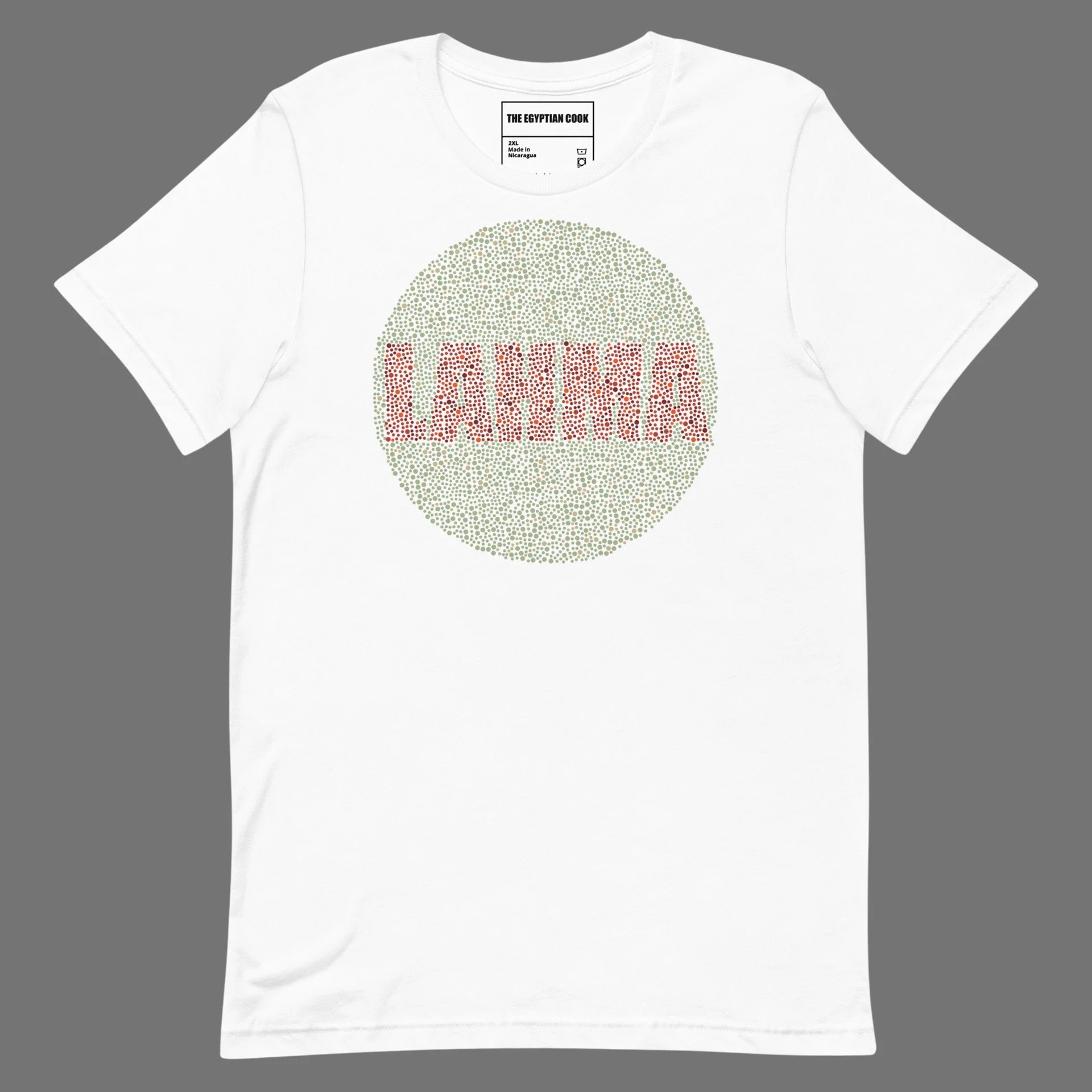
The Ishihara Test design is a play on “Where’s the lahma?” while tying the phrase to one of the biggest challenges in The Egyptian Cook’s everyday life: his vision. The Egyptian Cook is legally blind due to Stargardt disease and, as a teenager, underwent countless Ishihara Tests during the difficult process of his diagnosis. Since seeing was already challenging, he found it frustrating to search for hidden numbers within the colored dots. For this design, he recreated the concept himself, replacing the traditional number with the word “lahma.” It turns a difficult and personal experience into something humorous and uniquely connected to his identity and the phrase that helped shape his brand.
Details
• 100% combed and ring-spun cotton (Heather colors contain polyester)
• Fabric weight: 4.2 oz./yd.² (142 g/m²)
• Pre-shrunk fabric
• Side-seamed construction
• Shoulder-to-shoulder taping
• Blank product sourced from Nicaragua, Mexico, Honduras, or the US
Disclaimer
The fabric is slightly sheer and may appear see-through, especially in lighter colors or under certain lighting conditions.

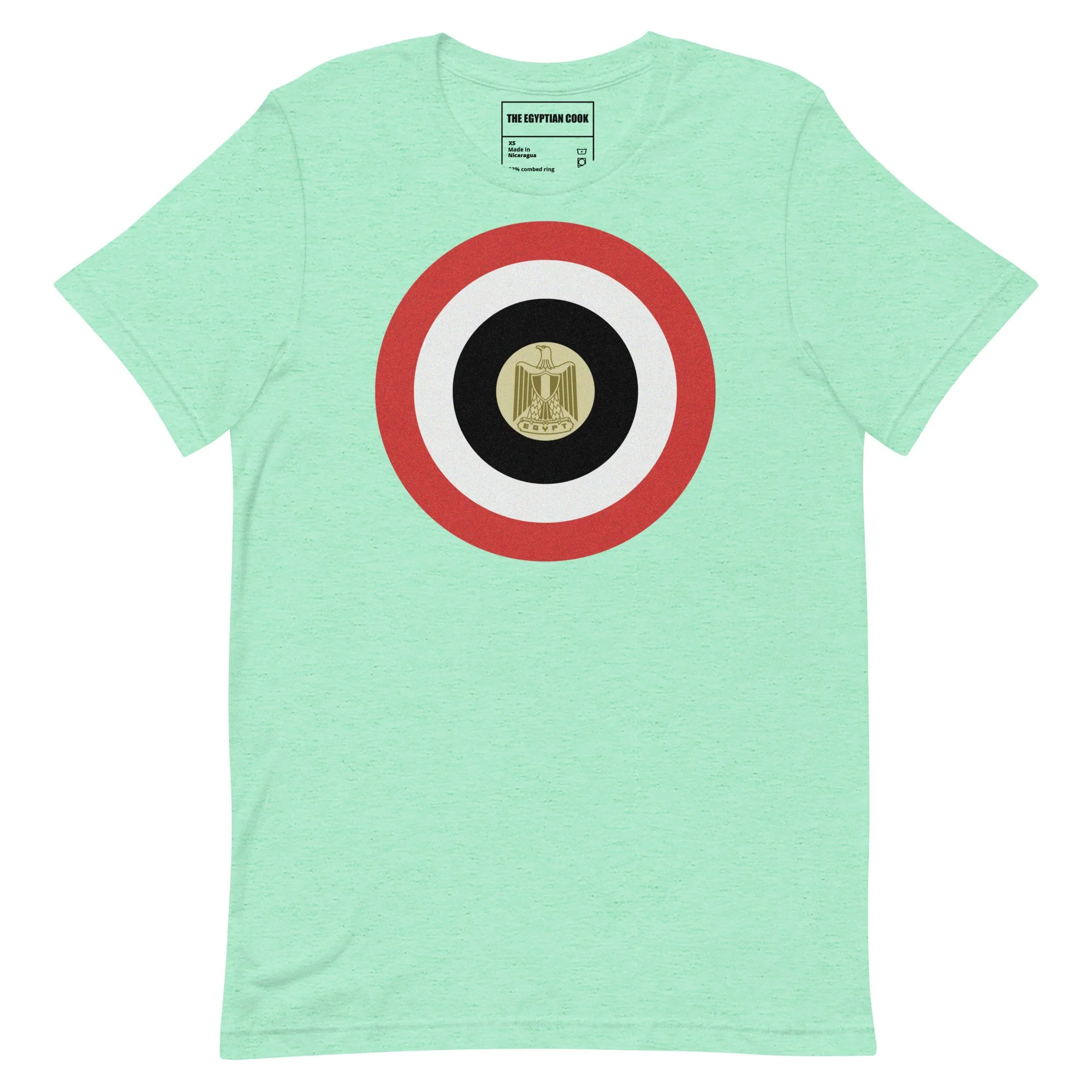
Details
• 100% combed and ring-spun cotton (Heather colors contain polyester)
• Fabric weight: 4.2 oz./yd.² (142 g/m²)
• Pre-shrunk fabric
• Side-seamed construction
• Shoulder-to-shoulder taping
• Blank product sourced from Nicaragua, Mexico, Honduras, or the US
Disclaimer
The fabric is slightly sheer and may appear see-through, especially in lighter colors or under certain lighting conditions.
Meet Muhammed
... also known as The Egyptian Cook 🇪🇬. He brings Egyptian recipes, culture, and nostalgia to kitchens around the world, sharing the flavors he grew up with so you can enjoy them in your own home.


Book The Egyptian Cook
Whether you want a birthday message, pep talk, roast, advice, or simply want to ask a question, The Egyptian Cook will yell at you in some way. Request your personalized video through Cameo.
We need more lahma!

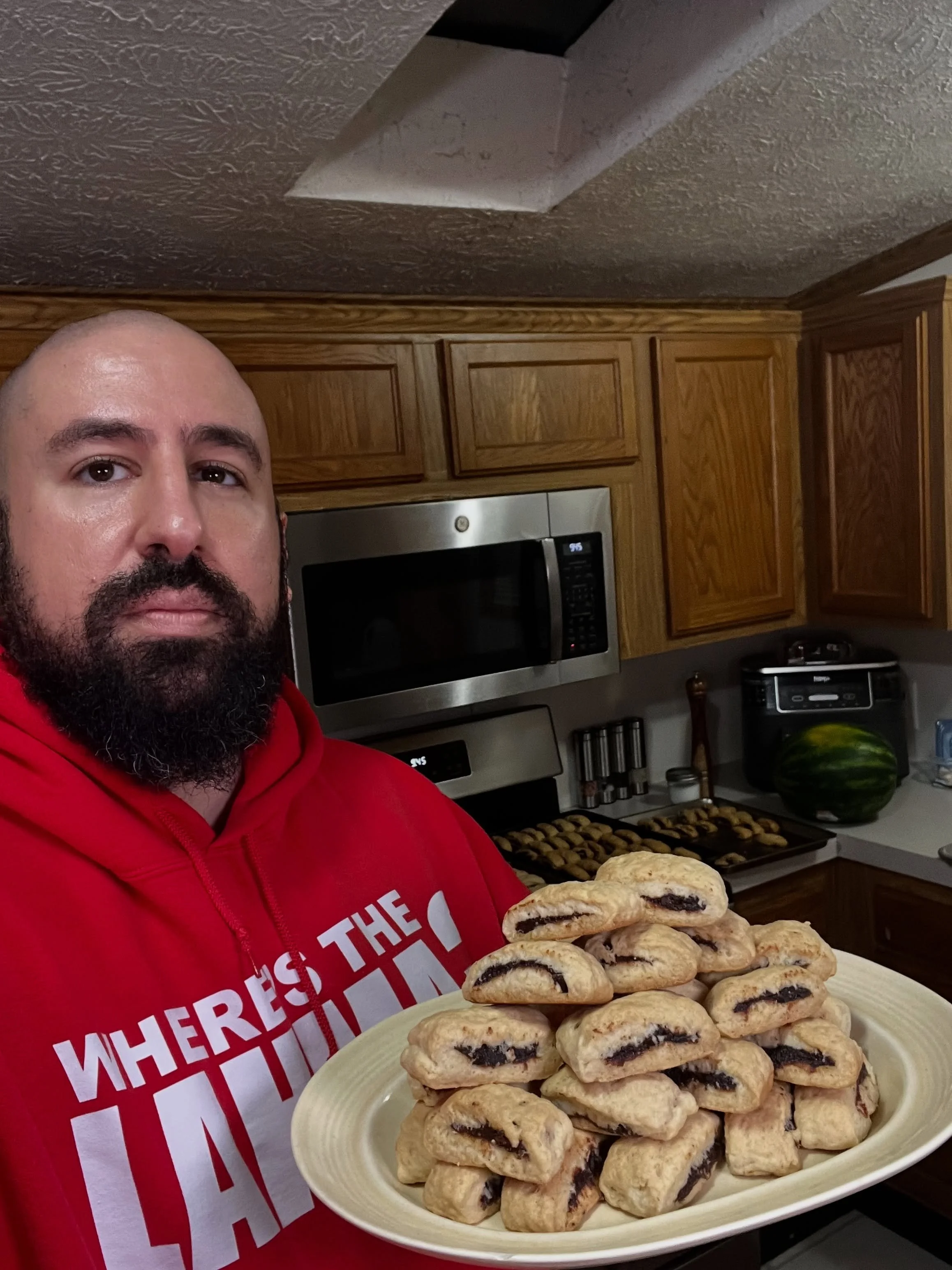
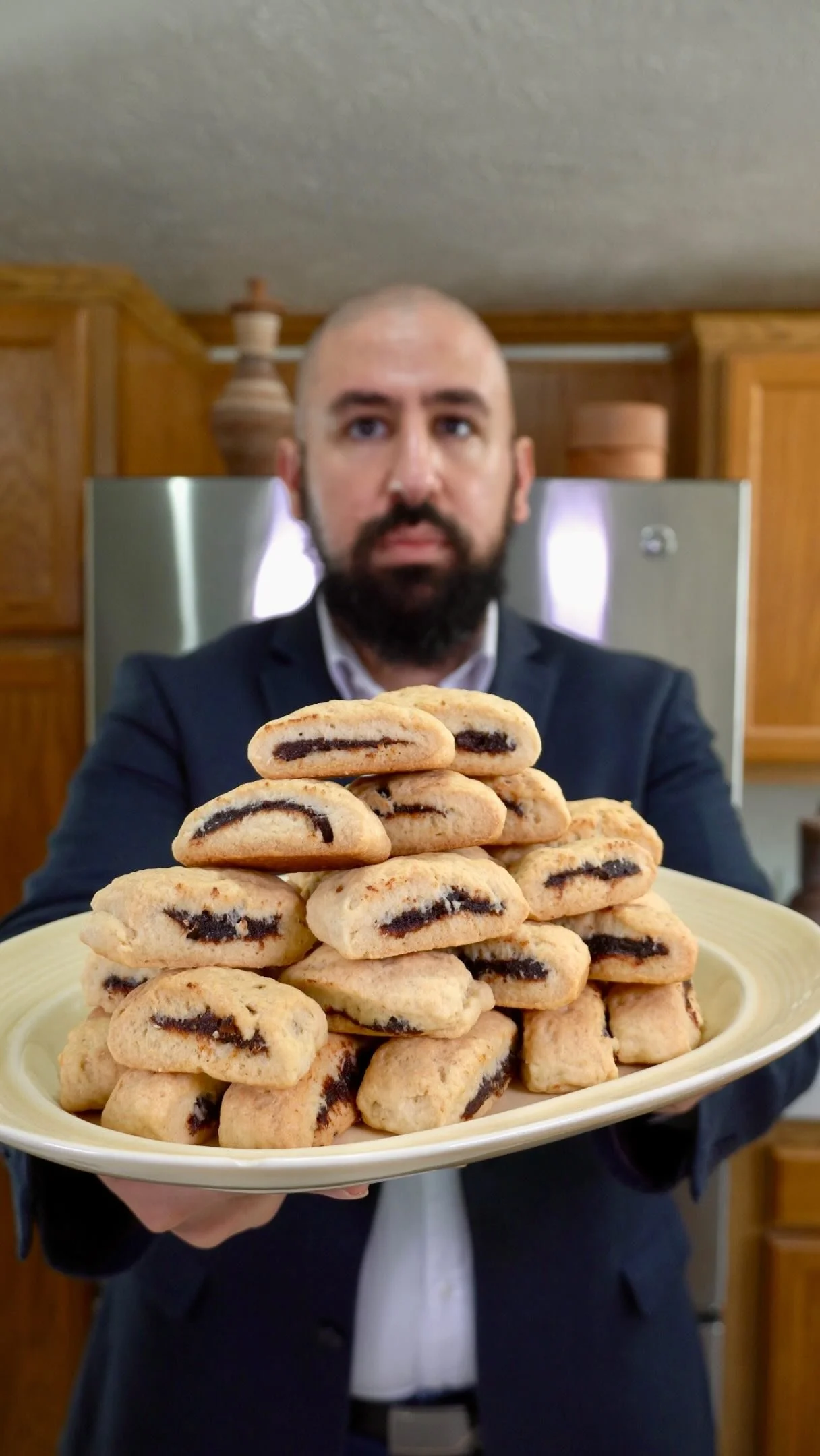

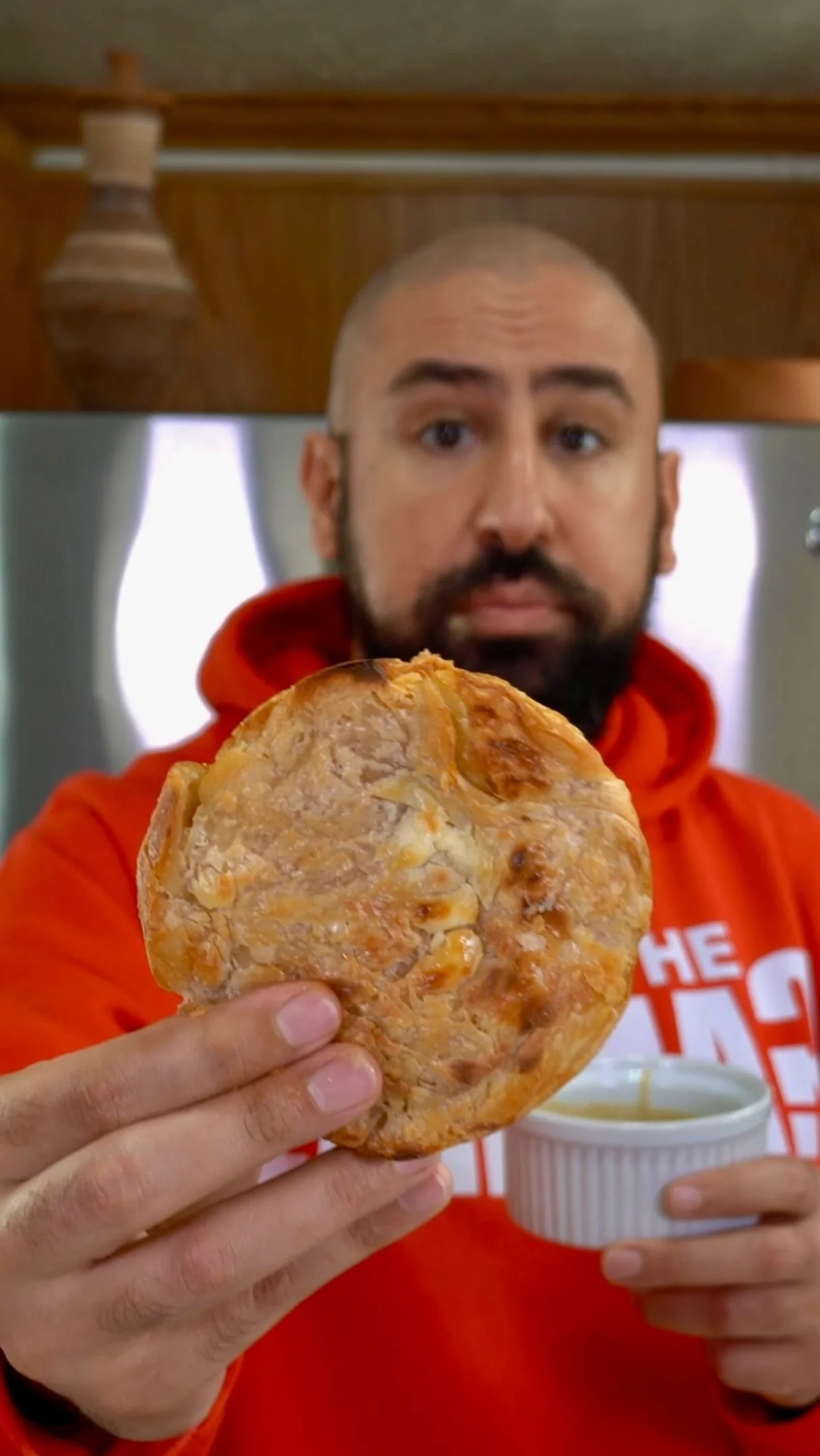
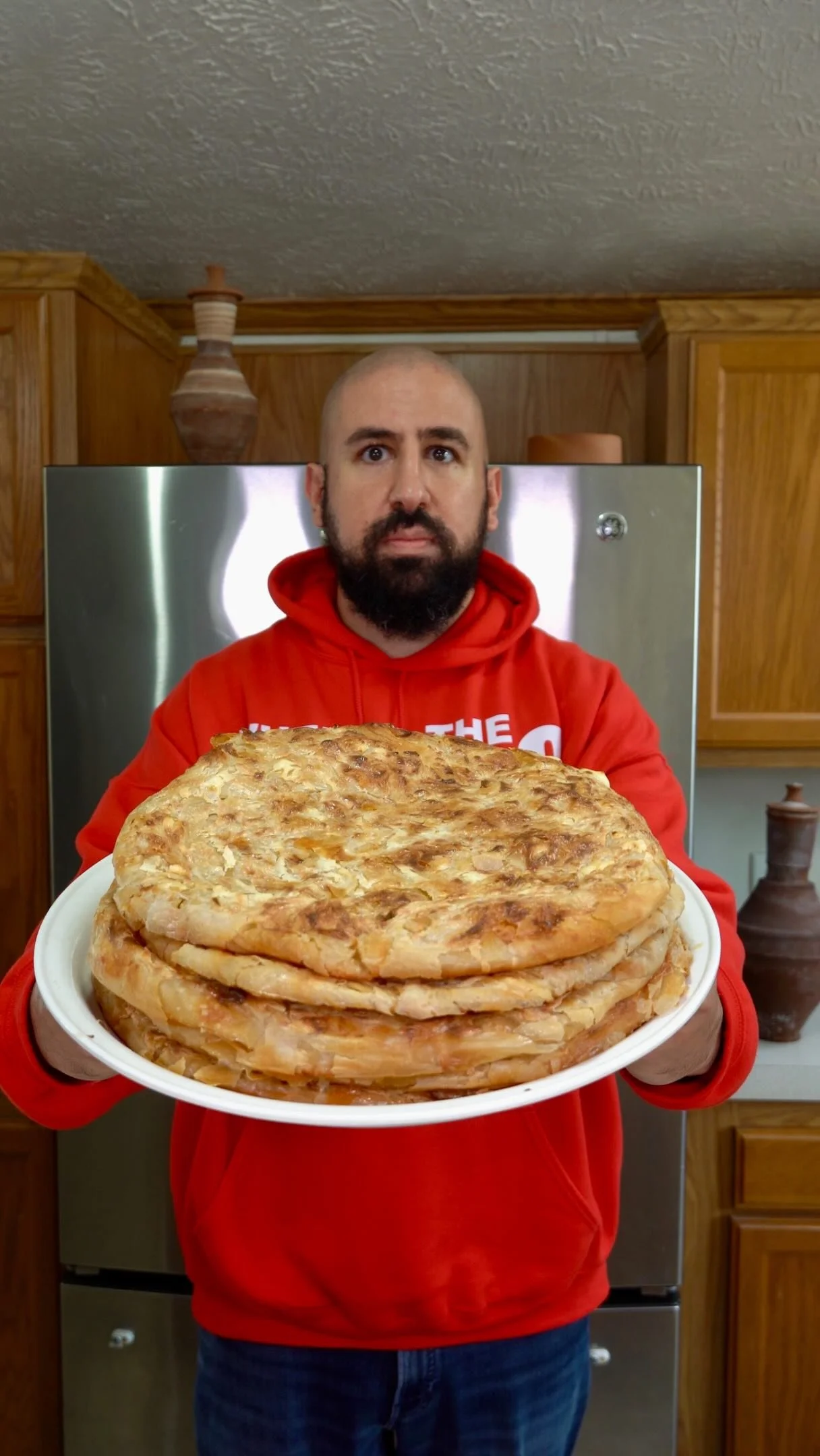
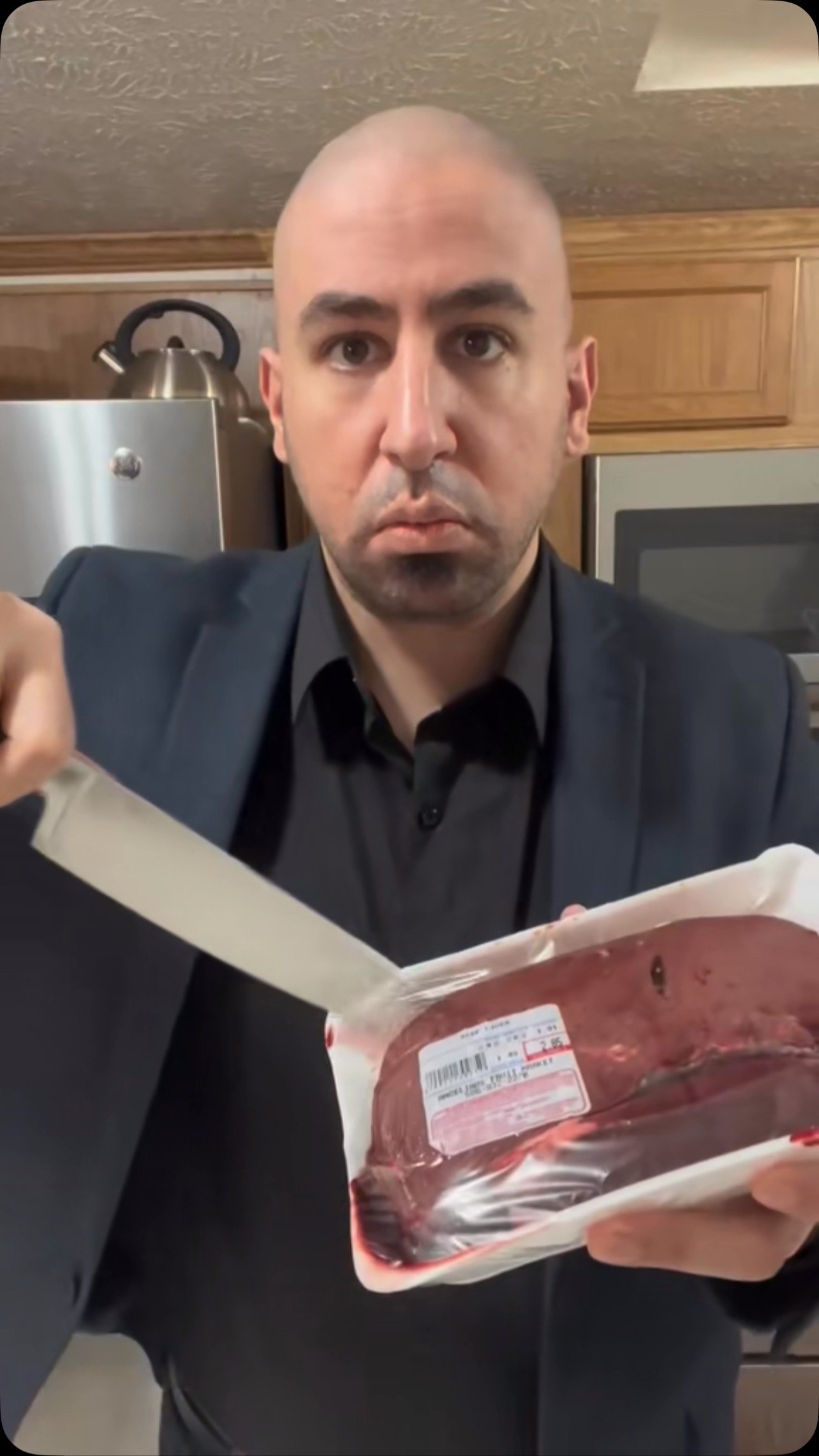

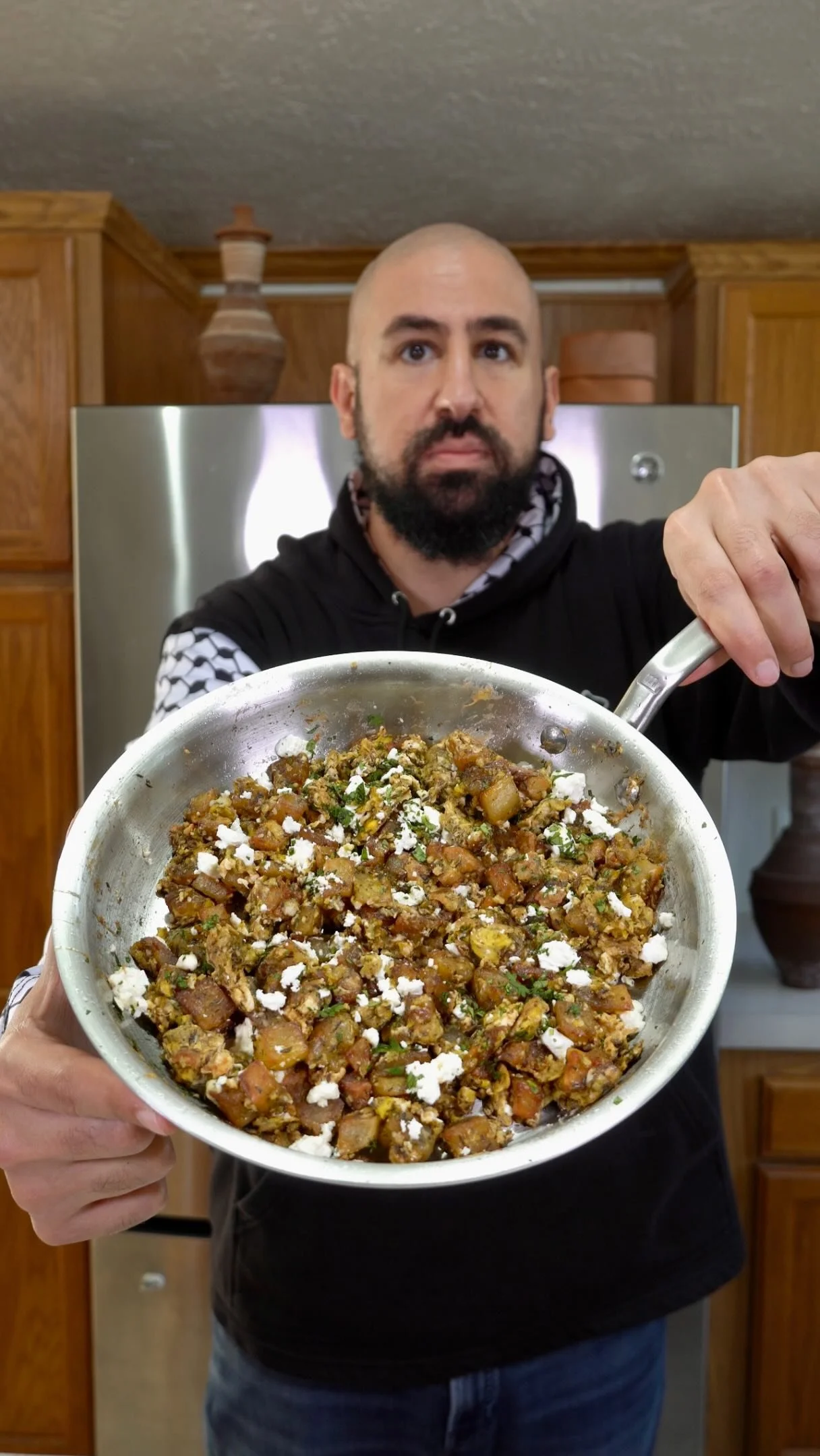
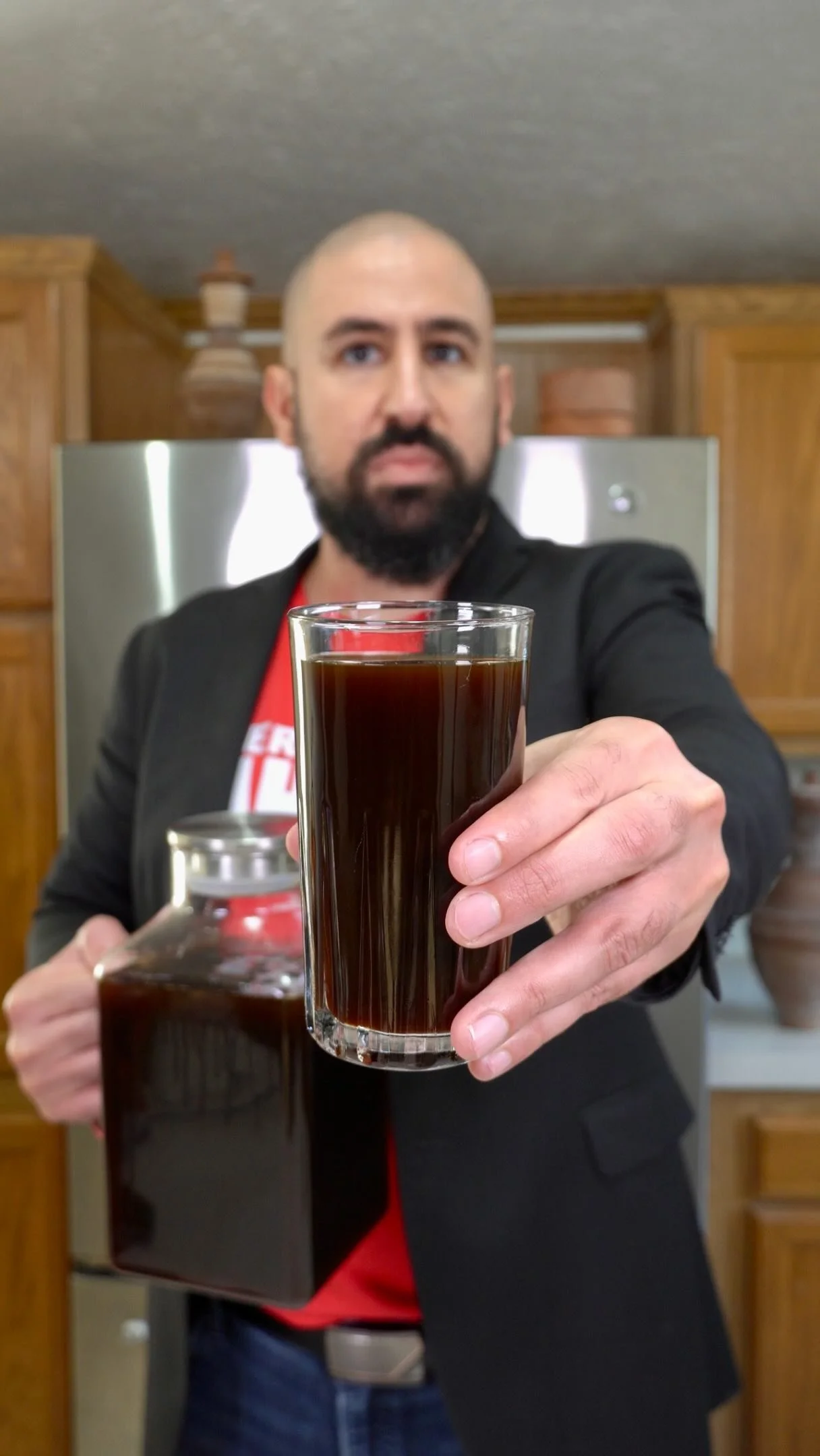

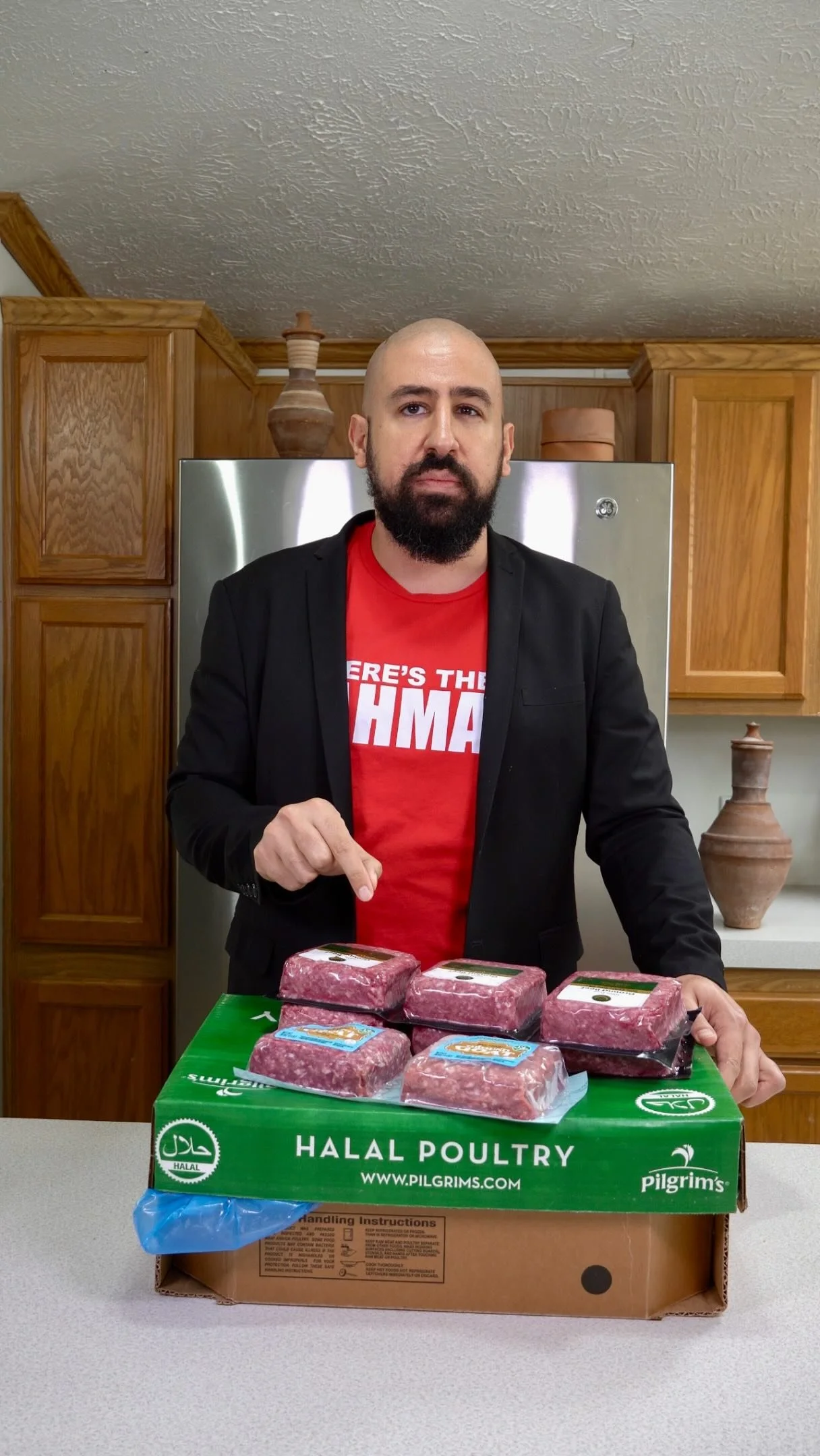
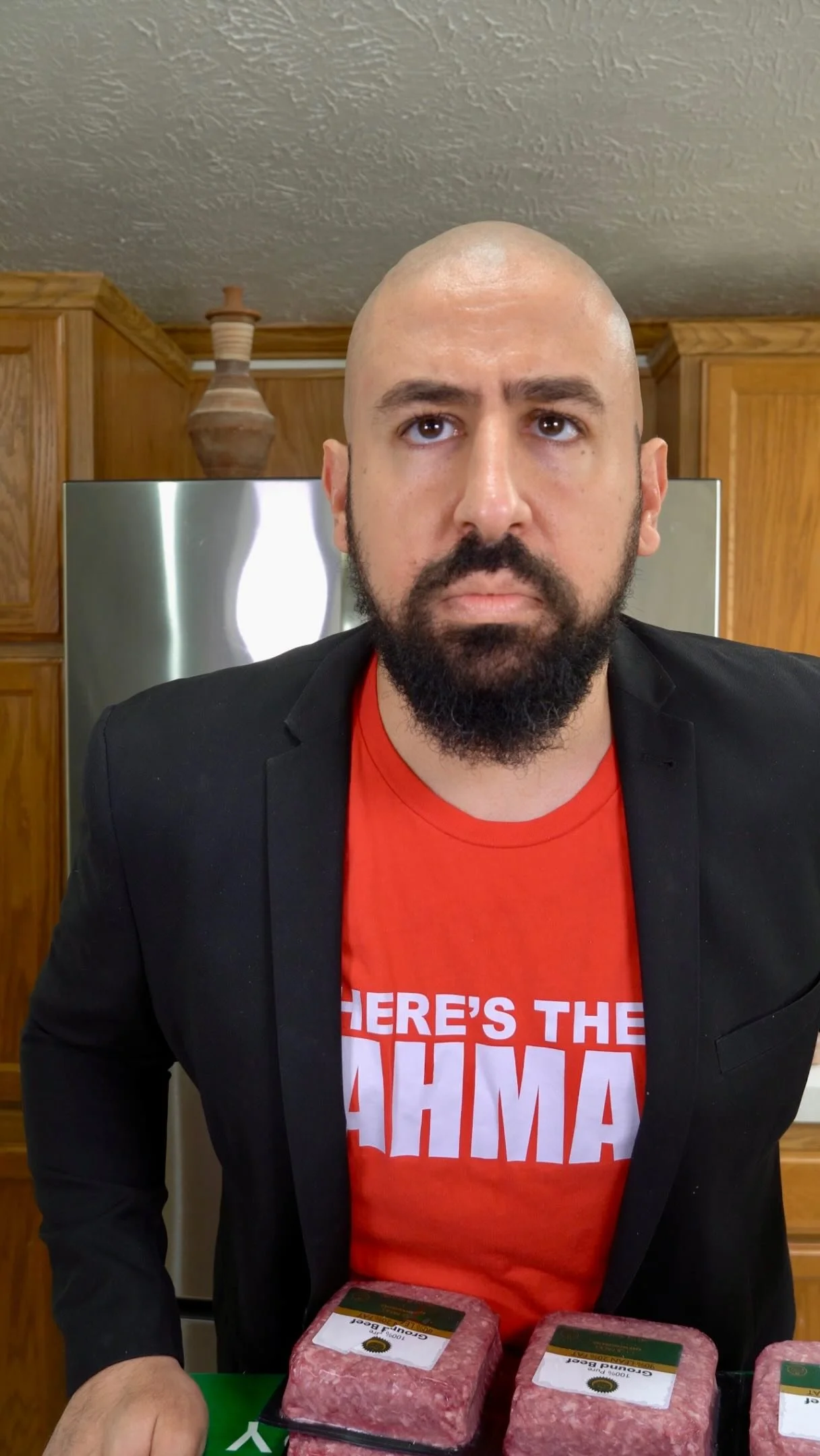
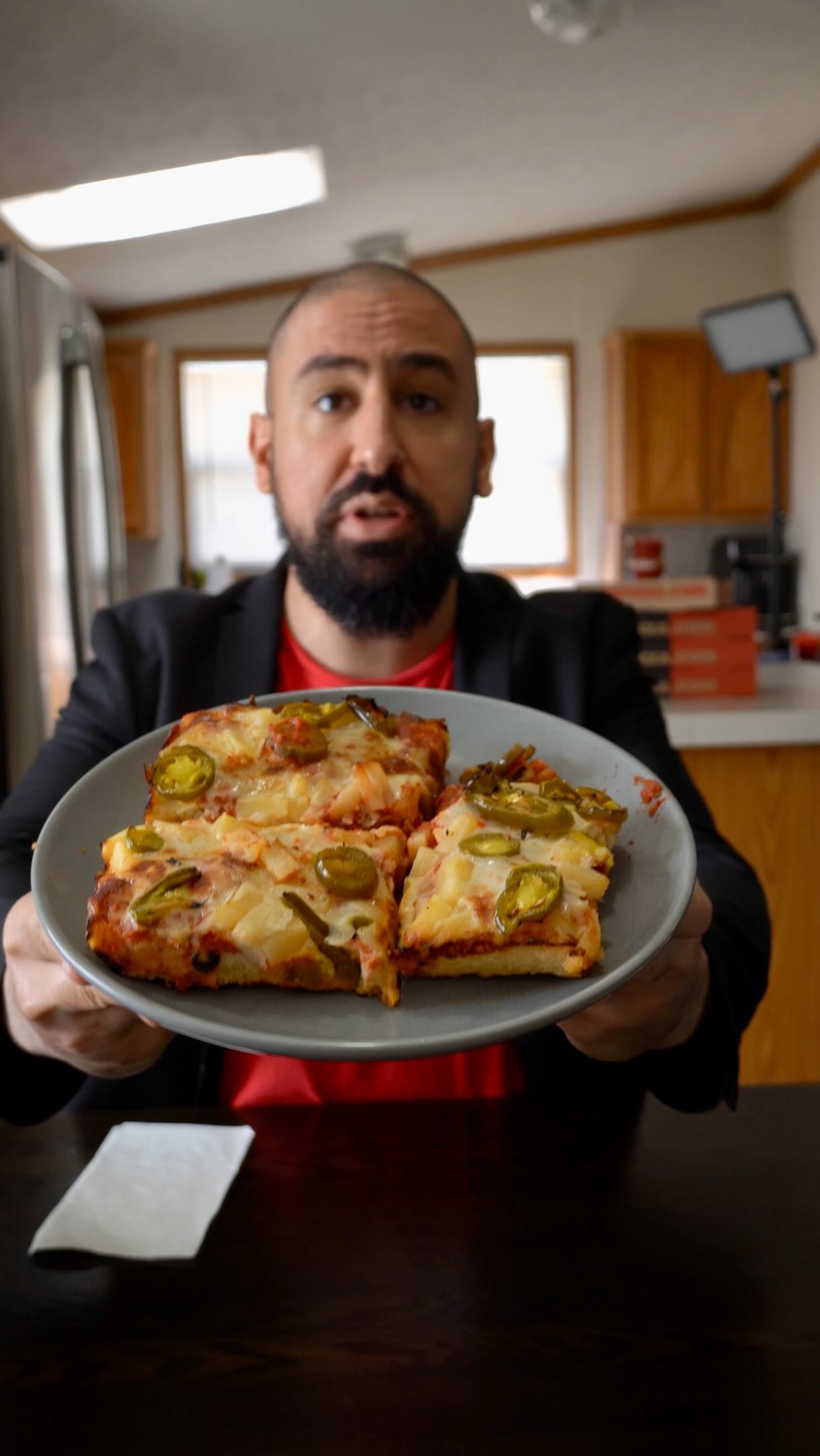

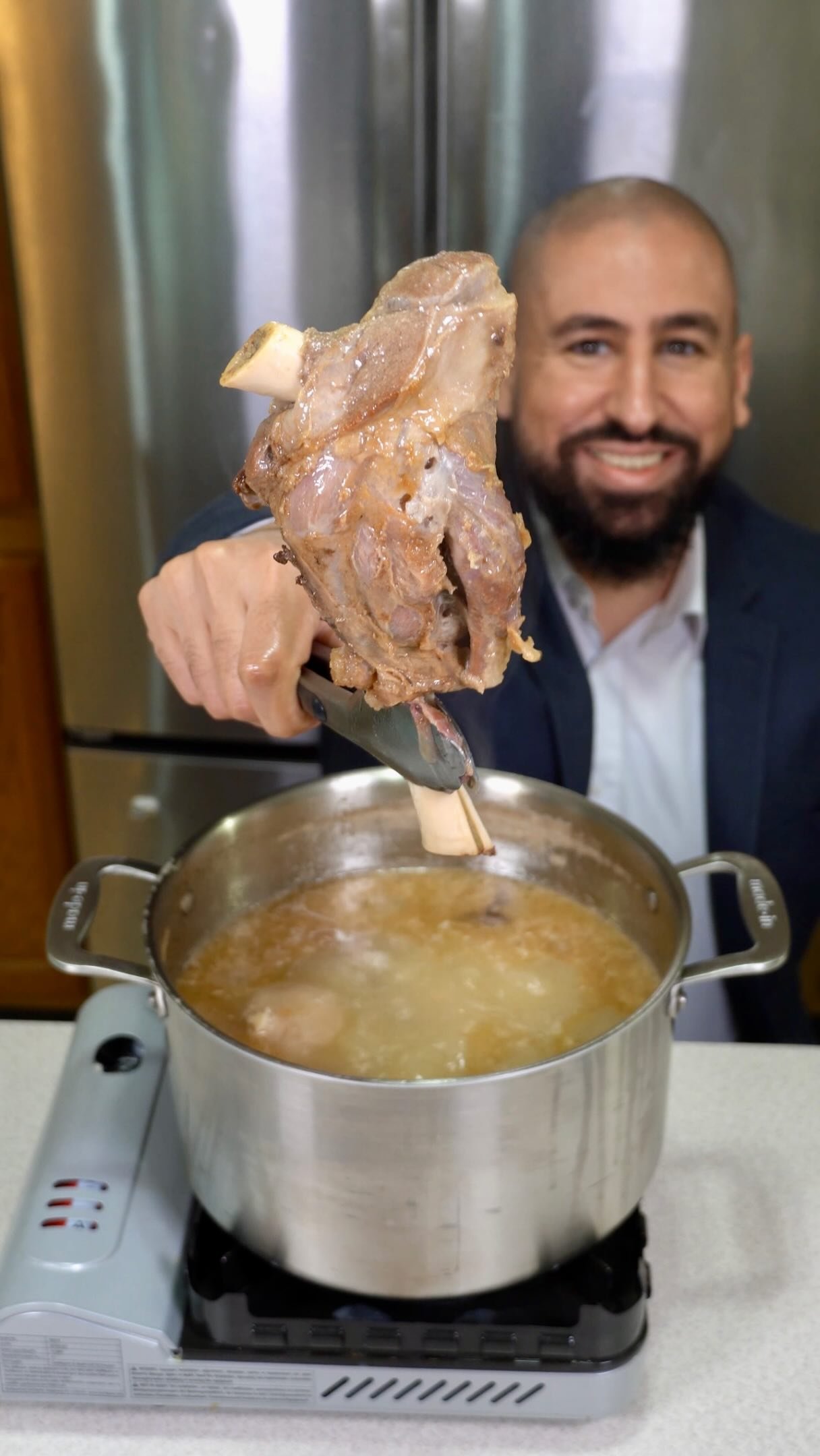

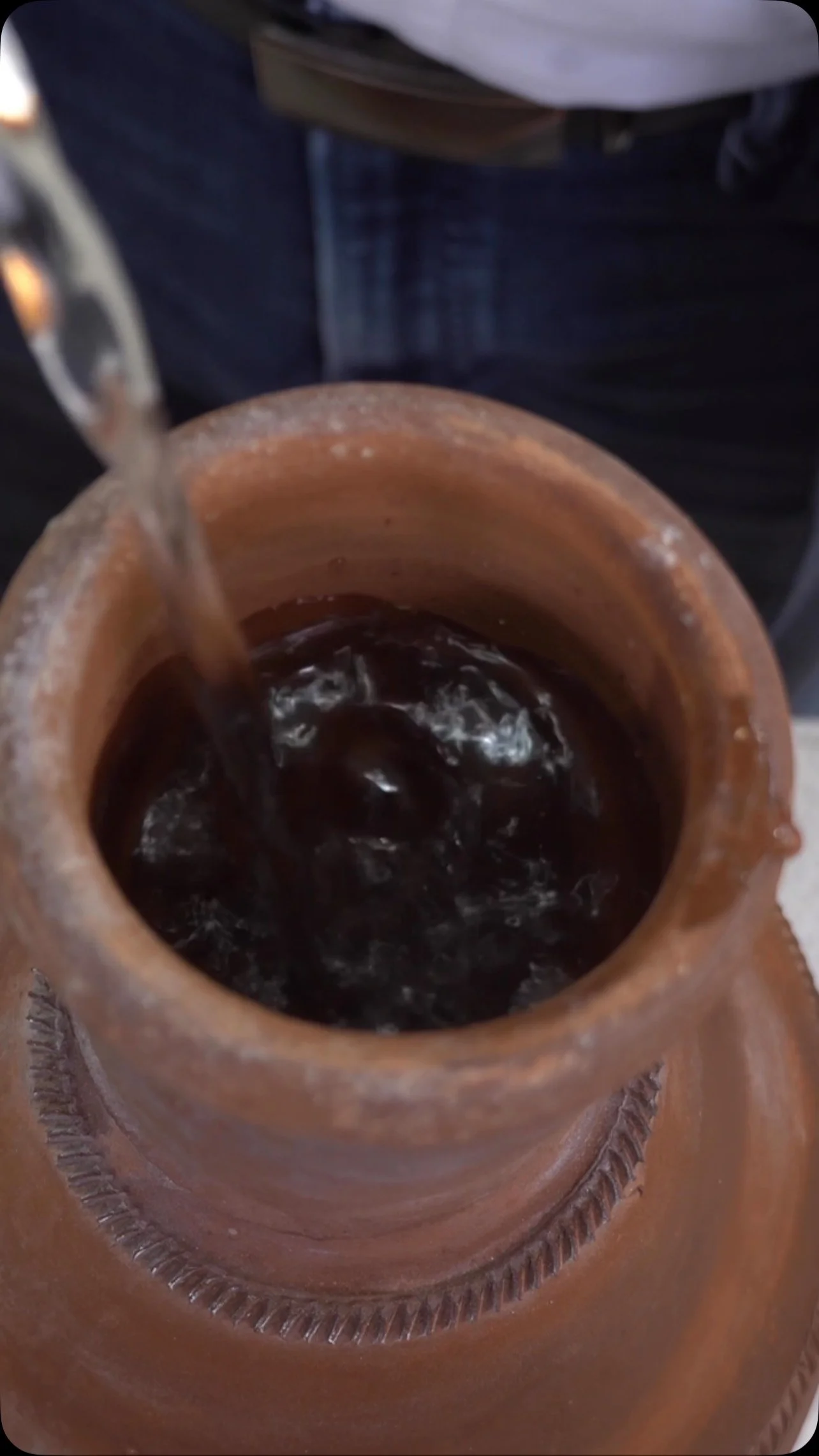
For many Egyptians and Middle Easterners living abroad, especially those in the United States, the flavors of home become harder to find. Favorite dishes that once brought families together can slowly become distant memories, particularly when the person who made them is no longer here to pass down the recipe.
The Egyptian Cook is dedicated to preserving those traditions by bringing authentic recipes to kitchens around the world. Whether you're rediscovering a forgotten childhood favorite or learning to make a dish you've always loved, every recipe is designed with ingredients that are accessible to those living abroad, making it easier to reconnect with your culture, your roots, and the meals that feel like home.
Follow @theegyptiancook for authentic recipes, cooking videos, humorous story telling, and a community that celebrates Egyptian food and culture.

Frequently Asked Questions
-
Koshari: A national dish made from a mix of rice, lentils, macaroni, chickpeas, and topped with a spicy tomato sauce, crispy fried onions, and sometimes garlic vinegar. It's a hearty and affordable comfort food.
Ful Medames: A classic breakfast dish made from fava beans stewed slowly with olive oil, garlic, tahina, and lemon juice. It's often served with bread, eggs, and a variety of toppings like tomatoes, onions, or pickles.
Ta'ameya (Egyptian Falafel): Ta’ameya is made from fava beans (rather than chickpeas). It's crispy on the outside and soft inside, often served with tahina, salad, or pickles in pita bread.
Molokhia: A green soup made from finely chopped jute leaves cooked with garlic and coriander. It's commonly served with rice, chicken, or rabbit.
Mahshi: Vegetables like zucchini, bell peppers, eggplants, cabbage, or grape leaves stuffed with a mixture of rice, herbs, and tomato sauce, then cooked until tender.
Hamam Mahshi (Stuffed Pigeon): A delicacy made from pigeons stuffed with seasoned rice or freekeh (cracked green wheat) and then roasted or grilled.
Basbousa: A popular dessert made from semolina soaked in syrup, often flavored with rose water or orange blossom and topped with nuts.
These dishes showcase the flavors, spices, and traditions of Egypt and are staples for locals and visitors alike!
-
Cumin: A cornerstone of Egyptian cooking, cumin is used in dishes like ful medames, shakshuka, and spiced meats. It’s warm, earthy flavor is integral to many recipes.
Coriander: Coriander seeds or ground coriander are used in soups, stews, and vegetable dishes. It's often paired with garlic in dishes like molokhia.
Cardamom: Cardamom pods are often used to flavor rice, stews, and beverages like tea or coffee. It provides a sweet, floral aroma.
Allspice: Known for its warm, complex flavor, allspice is used in stews, marinades, and spice blends like baharat.
Dried Mint: Dried mint is used to flavor salads, soups, and drinks, often paired with garlic or lemon.
Anise and Fennel: Used for their sweet, licorice-like flavor, they are common in tea, desserts, and sometimes bread.
Sesame Seeds: Often used as a garnish or ground into tahini, sesame seeds add nuttiness to many dishes.
These spices are the foundation of Egyptian flavors, giving the cuisine its unique and aromatic profile.
-
Start with simple dishes like koshari, ful medames, or ta’ameya (falafel). These dishes are straightforward and don't require specialized techniques or hard to find ingredients.
Invest in essential spices including cumin, coriander, cardamom, allspice, dried mint, anise and fennel, and sesame seeds. Having these spices on hand ensures your dishes taste authentic.
Master basic techniques such as: (1) Sautéing garlic and coriander: Many dishes, such as molokhia, start with garlic sautéed in oil or butter with ground coriander. This step forms the base of many savory recipes. (2) Layering flavors: Egyptian cooking often involves layering flavors, such as caramelized onions in koshari or spiced tomato sauce over stuffed vegetables.
Practice patience because Egyptian recipes, especially those for stews and mahshi (stuffed vegetables), often involve slow cooking. Take your time to let flavors develop fully.
Embrace bread like aish baladi or pita because it is essential in Egyptian meals, often used as a utensil to scoop up food. If you can’t find Egyptian bread, warm whole wheat pita works as a great alternative.
Balance spices to make flavorful, but not overly spicy, Egyptian food. Start with small amounts of spices, then adjust to taste. Remember, you can always add more, but it’s hard to take away.
Watch tutorials on YouTube channels like The Egyptian Cook or other platforms for easy-to-follow step-by-step instructions for cooking Egyptian food. Seeing the process visually can be very helpful.
Team Lahma vs. Team Salata
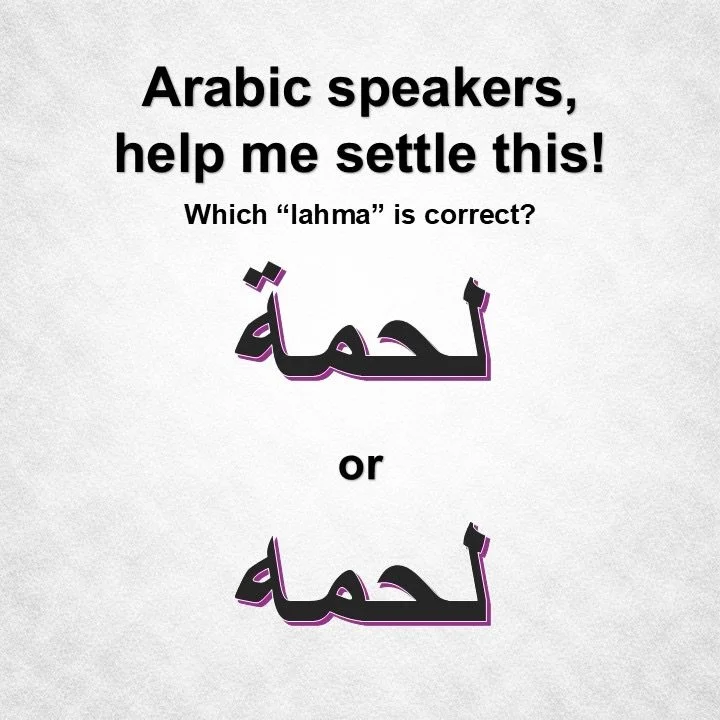
In Arabic, lahma means “meat” and salata means “salad.” Now the most important question: which team are you? Pick your side and rep it with pride.
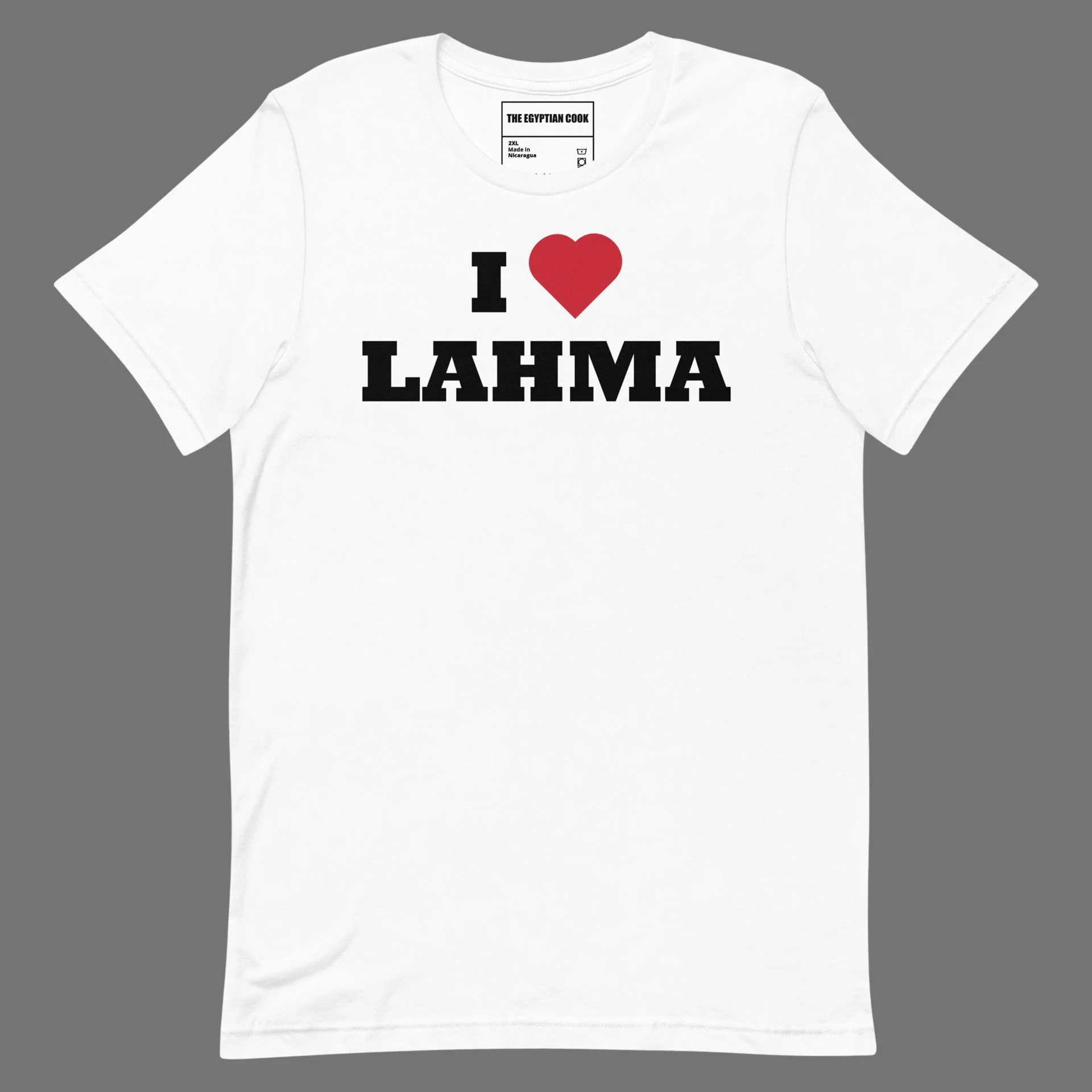
“Lahma” means “meat” in Arabic and is pronounced “lah·ma.” The word has become a signature part of The Egyptian Cook’s brand.
Details
• 100% combed and ring-spun cotton
• Fabric weight: 4.2 oz./yd.² (142 g/m²)
• Pre-shrunk fabric
• Side-seamed construction
• Shoulder-to-shoulder taping
• Blank product sourced from Nicaragua, Mexico, Honduras, or the US
Disclaimer
The fabric is slightly sheer and may appear see-through, especially in lighter colors or under certain lighting conditions.
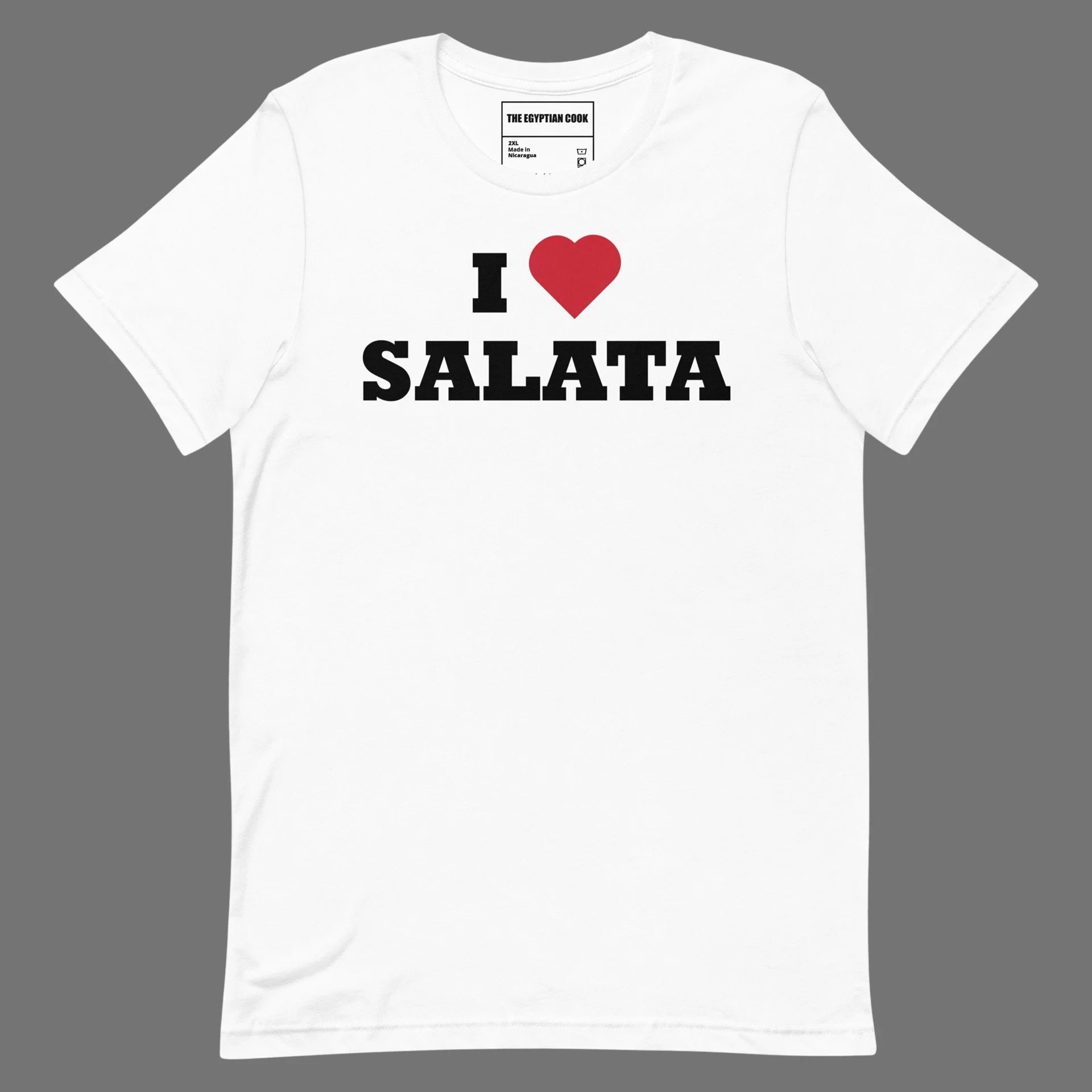
“Salata” means “salad” in Arabic and is pronounced “sa·la·ta.”
Details
• 100% combed and ring-spun cotton
• Fabric weight: 4.2 oz./yd.² (142 g/m²)
• Pre-shrunk fabric
• Side-seamed construction
• Shoulder-to-shoulder taping
• Blank product sourced from Nicaragua, Mexico, Honduras, or the US
Disclaimer
The fabric is slightly sheer and may appear see-through, especially in lighter colors or under certain lighting conditions.